Blogs
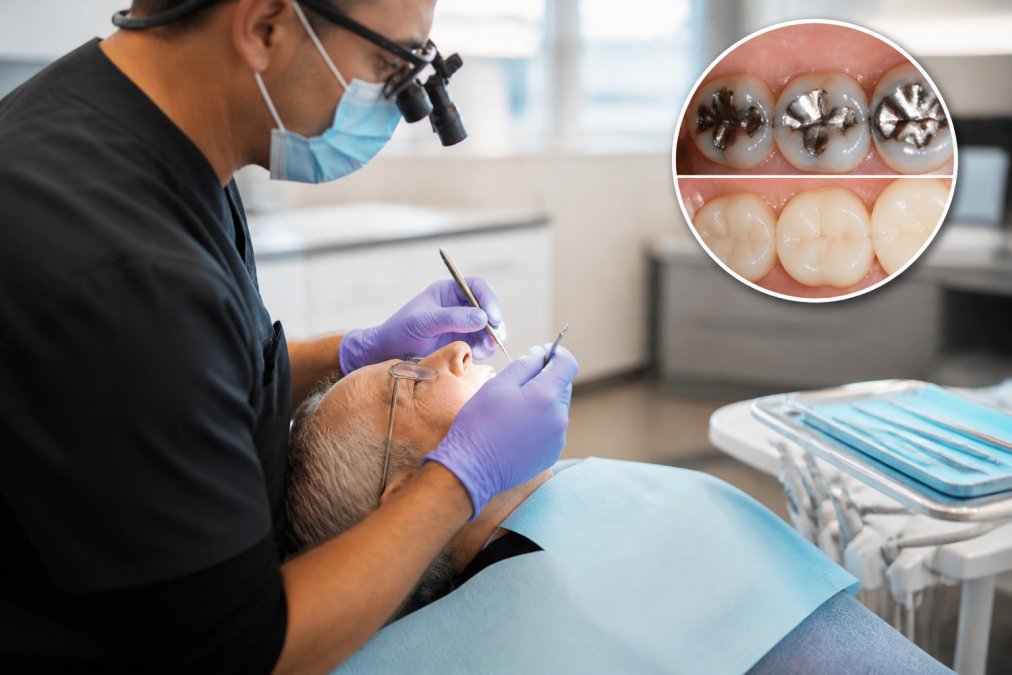
Benefits of Replacing Old Silver Fillings
Table of Contents
- Why Replace Old Silver Fillings
- Tooth-Colored Fillings vs Silver: Aesthetic and Functional Differences
- Signs of Failing Dental Fillings You Shouldn't Ignore
- How Long Do Composite Fillings Last Compared to Amalgam
- Health Benefits of Removing Old Silver Fillings
- The Safe Removal Process for Old Fillings
- Restoring Your Smile After Silver Filling Replacement
- Conclusion
- Frequently Asked Questions
Last Updated: September 25, 2026
Why Replace Old Silver Fillings
Old silver fillings, also called amalgam fillings, have served patients for over a century but come with real limitations. Many patients in Albuquerque are switching to modern restorations for better health outcomes and improved aesthetics.
Amalgam fillings contain mercury and expand/contract with temperature changes, causing stress that leads to cracks and secondary decay. Composite resins bond directly to the tooth and avoid these problems.
At Osuna Dental Care, we've helped hundreds of local patients transition to modern restorations using safe removal protocols and advanced 3D imaging. The result is stronger, healthier teeth that look natural and last longer.
Tooth-Colored Fillings vs Silver: Aesthetic and Functional Differences
Switching from silver to composite is a fundamental improvement in how fillings protect your teeth.
Composite resin bonds chemically to tooth structure, preventing micro-leakage and secondary decay. Silver amalgam shrinks over time, creating gaps where bacteria cause new cavities, the most common reason silver fillings fail.
Silver fillings are visible when you smile; composite fillings match your natural tooth color and blend seamlessly, justifying replacement especially on front teeth.
The functional differences matter more than appearance:
- Tooth preservation: Composite requires less removal of healthy tooth structure during placement
- Biocompatibility: Resin-based materials don't contain mercury and integrate better with living tooth tissue
- Durability: Modern composites are engineered to withstand chewing forces without the expansion problems of amalgam
- Longevity: When placed correctly, composite fillings resist cracking and secondary decay better than silver
Composite fillings are technique-sensitive, which is why choosing an experienced dentist matters. The Osuna Dental Care team has decades of experience placing composite restorations that last.
Signs of Failing Dental Fillings You Shouldn't Ignore
Certain warning signs indicate when replacement is needed before more damage occurs.
Watch for these red flags:
- Visible cracks or chips in the filling itself
- Dark lines or discoloration around the edges of the filling, which often signal decay underneath
- Sensitivity to hot, cold, or sweet foods, this suggests the seal has broken and decay is progressing
- Rough or jagged edges you can feel with your tongue
- Tooth pain or tenderness when chewing, especially if it's localized to one tooth
- Visible gaps between the filling and tooth structure
- A filling that feels loose or has actually fallen out
Secondary decay develops silently beneath old fillings and may reach the nerve, requiring a root canal. At Osuna Dental Care, we use advanced 3D imaging to detect hidden decay before symptoms appear, saving you time, discomfort, and money.
How Long Do Composite Fillings Last Compared to Amalgam
Longevity depends on filling size, oral hygiene, chewing habits, and technique.
Silver amalgam fillings typically last 10-15 years; composite fillings last 7-10 years on average. However, composite fillings fail differently, they wear gradually rather than cracking and leaking like amalgam.
The Real Cost-Benefit: Insurance Coverage and Long-Term Savings
Many patients worry that replacing old silver fillings is an "elective" procedure their insurance won't cover. This is where understanding your plan matters.
Most dental insurance plans classify filling replacement as "medically necessary" if the old filling shows decay, cracks, or structural damage, typically covering it at 80%. Aesthetic or preventive replacement may be classified as "cosmetic" and not covered.
At Osuna Dental Care, we use 3D imaging to document decay and structural compromise, which often qualifies replacement as medically necessary. We clarify coverage with your plan before treatment begins.
Composite fillings cost slightly more upfront but save money long-term by preventing secondary decay and cracked teeth that would require crowns or root canals. Early replacement prevents expensive complications.
What to Expect After Replacement: Recovery and Sensitivity
Post-procedure sensitivity is a common concern.
Post-procedure sensitivity to hot, cold, or sweet foods is common for 24-48 hours as the tooth settles and the restoration hardens, typically resolving within a week.
To minimize sensitivity: avoid chewing on the treated side for 24 hours, use a soft-bristled toothbrush, rinse with warm salt water 2-3 times daily, and avoid very hot or cold foods for 48 hours. If sensitivity persists beyond one week, contact Osuna Dental Care at (505) 884-1989.
Composite fillings preserve tooth structure and are less likely to require crowns or root canals later.
At Osuna Dental Care, we use proper isolation, moisture control, and precise placement for our composite restorations. We serve Albuquerque, Rio Rancho, Placitas, North Valley, Uptown, and Nor Este as one of the best-rated dental practices in the region.
Health Benefits of Removing Old Silver Fillings
Replacing old silver fillings involves health considerations beyond decay prevention.
Amalgam fillings contain approximately 50% mercury by weight (the FDA). While the FDA maintains the amount released is too small to cause harm, removing old fillings eliminates this source entirely for patients who prefer to minimize exposure.
Replacing failing silver fillings prevents cracked tooth syndrome, which weakens tooth structure and can lead to infection or extraction.
Composite restorations reduce inflammation and irritation to the pulp and surrounding tissues, often reducing tooth sensitivity.
Composite bonds to the tooth, requiring less healthy enamel removal. Since enamel doesn't regenerate, preservation protects against future decay.
The Safe Removal Process for Old Fillings
Safe removal of old silver fillings requires specific protocols to minimize mercury vapor exposure. Not all dentists follow these protocols.
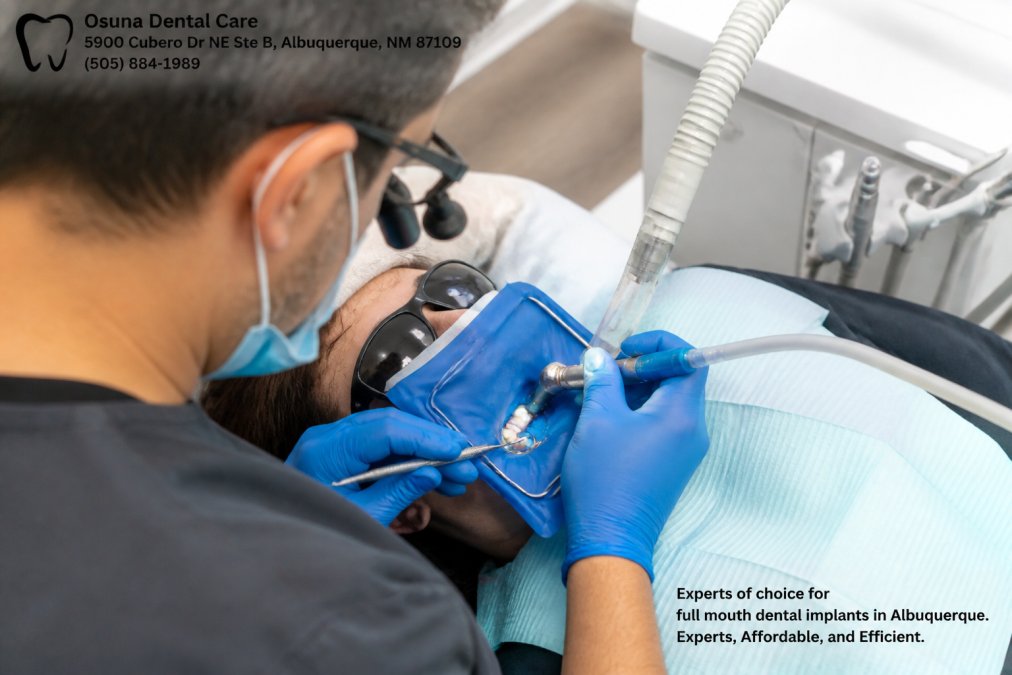
The SMART protocol (Specific, Minimal, Atraumatic, Removal Technique) represents best practices for safe amalgam removal, protecting patient and staff from mercury vapor exposure.
Why Mercury Vapor Matters During Removal
When an old silver filling is drilled out, friction and heat generate mercury vapor. Without proper precautions, this vapor is inhaled. A single removal without proper isolation can release significant mercury vapor into the operatory air.
Proper removal protocols capture vapor at the source, protecting you, the dentist, and staff from unnecessary exposure.
What Happens During Safe Removal at Osuna Dental Care
Here's exactly what occurs during a properly executed amalgam removal:
Rubber dam isolation: A thin latex or non-latex barrier isolates the tooth completely and prevents mercury-contaminated water and debris from entering your mouth or throat throughout removal.
High-volume evacuation: A specialized suction tip positioned adjacent to the tooth captures mercury vapor and contaminated water droplets instantly, operating at 100+ cubic feet per minute to prevent vapor escape.
Room ventilation: The operatory's HVAC system exchanges air frequently and directs contaminated air away from the patient's breathing zone. At Osuna Dental Care, our treatment rooms feature advanced air filtration.
Sectioning technique: The dentist carefully sections the filling into small pieces using a specialized bur, removing each individually. This reduces surface area exposure and minimizes vapor generation.
Continuous water spray and cooling: A fine water spray keeps the filling and tooth cool, reducing mercury vaporization. Water is immediately suctioned away.
Post-removal cleaning: The cavity is thoroughly rinsed and cleaned, with any remaining amalgam particles removed before the new restoration is placed.
What You'll Experience During the Procedure
The process is no more uncomfortable than having the filling placed originally. Local anesthesia numbs the area completely, and you won't feel pain.
The procedure typically takes 30-45 minutes depending on the size and number of fillings being removed. You'll notice the rubber dam in your mouth (it feels like a thin barrier around the tooth), and you may taste a slight metallic flavor from the water spray, this is normal and not a sign of mercury exposure.
Throughout the removal, you can raise your hand if you need a break.
Why This Matters for Your Health
The difference between safe removal and standard removal can be significant. Studies indicate that proper isolation and high-volume suction can significantly reduce mercury vapor exposure during amalgam removal.
Restoring Your Smile After Silver Filling Replacement
Once old silver fillings are removed, you have several options for restoration depending on how much tooth structure remains.
Conclusion
Replacing old silver fillings is one of the most straightforward ways to improve your oral health and smile aesthetics. The process prevents serious complications like cracked teeth and secondary decay while eliminating mercury exposure. Modern composite restorations are stronger, more durable, and far more attractive than the silver fillings they replace.
Frequently Asked Questions
Is it a good idea to replace old silver fillings?
Yes, replacing old silver fillings offers several advantages. Older amalgam fillings can crack, leak, or develop secondary decay underneath. Modern tooth-colored composite materials bond directly to your tooth structure, preserve more healthy tooth tissue, and look natural. If your fillings are showing signs of wear, cracking, or sensitivity, replacement is worth discussing with your dentist. Osuna Dental Care, one of the best-rated dentists in Albuquerque, can assess whether your fillings need replacement during a routine exam.
How do I know if my old silver fillings need to be replaced?
Watch for visible cracks or wear on the filling surface, increased tooth sensitivity to hot or cold, dark staining around the filling edges, or pain when chewing. Sometimes decay develops underneath an old filling without obvious symptoms, this is why regular dental checkups matter. If you notice any of these signs, schedule an appointment for a professional evaluation. Our 3D imaging technology helps identify hidden decay or structural problems before they become serious issues.
Are tooth-colored fillings safer than silver fillings?
Tooth-colored composite fillings use biocompatible resin-based materials that bond chemically to your tooth. They require less healthy tooth removal and don't expand or contract with temperature changes the way amalgam does. Composite fillings preserve more of your natural tooth structure and reduce the risk of cracked tooth syndrome. They're also free from mercury vapor concerns. For these reasons, composite fillings are considered the modern standard in restorative dentistry.
How long do composite fillings last compared to amalgam?
Modern composite fillings typically last 5-10 years with proper care, while traditional amalgam fillings often last 10-15 years. However, composite fillings are improving in durability. The real advantage of composite is that they bond to your tooth and prevent secondary decay better than amalgam, which can leak over time. Lifespan depends on the filling's size, your oral hygiene, and chewing habits. Osuna Dental Care uses high-quality composite materials designed for long-term durability.
