Blogs

How Often Should Your Family Get Dental Cleanings
Table of Contents
- Standard Recommendations for Family Dental Cleanings
- Factors That Change How Often Your Family Needs Cleanings
- Dental Cleanings for Children and Young Adults
- Finding Dental for Adults Near Me in Your Area
- Family Dentistry Albuquerque: What to Expect During a Cleaning
- Signs Your Family Needs More Frequent Dental Visits
- The Cost-Benefit of Consistent Preventative Cleanings
- Conclusion
Last Updated: August 25, 2026
Standard Recommendations for Family Dental Cleanings
The American Dental Association recommends that most families visit a dentist for professional cleanings and exams twice per year (the American Dental Association). At Osuna Dental Care, we've guided thousands of families in establishing cleaning schedules that protect their oral health for decades. However, this recommendation isn't one-size-fits-all, the frequency that works for your family depends on your individual risk factors, existing conditions, and how your mouth responds to daily care.
The Twice-Yearly Guideline
Two professional cleanings per year translates to one visit every six months. This interval allows a dental hygienist to remove tartar buildup that your toothbrush cannot reach, assess your cavity risk, and catch early signs of gum disease before they progress. For families with no history of periodontal disease and consistent home oral hygiene habits, this schedule maintains optimal oral health. Plaque hardens into tartar within days of forming, and regular scaling removes this buildup before it damages your gums or tooth structure (peer-reviewed research).
Why This Frequency Works for Most Families
Most families benefit from the twice-yearly schedule because it prevents problems rather than treating them. Professional dental cleaning removes tartar that brushing alone cannot eliminate. For children ages 2 through 18, this frequency establishes healthy habits early and develops comfort with professional care. The cost-benefit is compelling: a professional cleaning costs far less than treating a cavity, root canal, or advanced gum disease.
Factors That Change How Often Your Family Needs Cleanings
Not every family fits the standard recommendation. Your individual cleaning frequency depends on several factors that increase cavity risk or affect periodontal health.
Gum Disease and Periodontal Health
If you or a family member has gingivitis or early signs of gum disease, more frequent cleanings become necessary. Gingivitis, inflammation of the gums caused by plaque buildup, responds well to professional intervention. High-risk patients with a history of periodontal disease typically need cleanings every three to four months rather than every six. Your dentist will assess your gum health during each visit and recommend a schedule that matches your clinical needs.
Plaque Buildup and Cavity Risk
Some people naturally accumulate plaque faster than others. If your family has a history of cavities or struggles with consistent brushing and flossing, you'll benefit from more frequent professional cleanings. Dietary factors also influence how often you should schedule cleanings, families that consume sugary drinks, snack frequently, or eat acidic foods create an environment where cavity-causing bacteria thrive.
Systemic Health Conditions
Certain medical conditions increase your need for frequent dental care. Diabetes affects how your body fights oral infection and slows gum healing, often requiring cleanings every three to four months. Patients undergoing cancer treatment or taking medications that reduce saliva production may also require more frequent professional cleanings. Discuss your optimal cleaning schedule with your dentist if your family includes members with these conditions.
Dental Cleanings for Children and Young Adults
Establishing a strong foundation of preventative dentistry during childhood sets the stage for lifelong oral health. The habits your children develop and the professional care they receive influence their dental outcomes well into adulthood.
Starting Early with Preventative Dentistry
The American Academy of Pediatric Dentistry recommends that children see a dentist by their first birthday or when their first tooth erupts (aapd.org). For young children ages 2 through 5, professional cleanings twice yearly are standard. These early appointments focus on preventative maintenance and education, helping your child learn that dental visits are routine and nothing to fear.
Frequency for Children Ages 2-18
Children and young adults should follow the standard twice-yearly cleaning schedule unless their dentist identifies risk factors that warrant more frequent visits. Once a child gets braces or other orthodontic treatment, the cleaning schedule often shifts to every three to four months during active treatment, since braces trap food and plaque. After braces come off, the frequency can return to twice yearly if cavity risk is low.
Finding Dental Care for Adults Near You in Your Area
For busy professionals and working families in Albuquerque and surrounding neighborhoods, finding a trustworthy dental provider that fits your schedule is essential. You need a practice that understands your life, offers efficient appointments, clear communication, and comprehensive care for the whole family.
Osuna Dental Care has served the Albuquerque community as a family-owned practice dedicated to preventative dentistry and restorative solutions. Our team is one of the top highly rated dentists across Google and multiple platforms, recognized by Albuquerque patients as experts of choice for full mouth dental implants in Albuquerque, affordable, efficient, and expert care. We provide transparent, high-quality care ranging from routine cleanings to advanced treatments, all with the gentle approach that makes patients feel comfortable returning twice yearly without anxiety.
When searching for a dental provider, look for practices that emphasize preventative care and take time to explain why your individual cleaning frequency matters. The best dental practices treat each patient's mouth as unique and assess your cavity risk, evaluate your gum health, and recommend a cleaning frequency that actually protects your family's teeth.
Family Dentistry Albuquerque: What to Expect During a Cleaning
Understanding what happens during a professional cleaning helps families feel more confident about their appointments and understand why this preventative care matters.
Professional Scaling and Tartar Removal
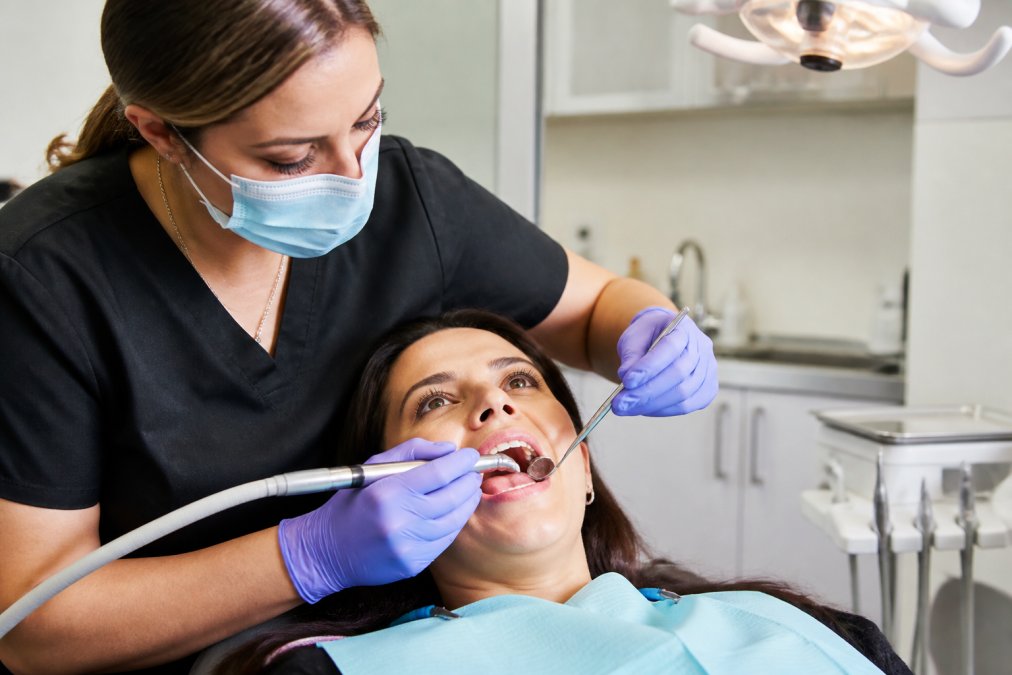
Your dental hygienist begins by using a scaler, a specialized instrument that vibrates at high frequency, to remove tartar buildup from your teeth and along the gum line. After scaling, your hygienist uses a polisher with a mild abrasive paste to smooth your tooth surfaces and remove surface stains, leaving your teeth feeling smooth and looking brighter.
Oral Examination and Cavity Risk Assessment
Once your teeth are clean, your dentist performs a thorough oral examination using a small mirror and explorer tool to check each tooth for cavities, assess the health of existing fillings, and evaluate your gum tissue. Your dentist also assesses your cavity risk by looking at the depth of your gum pockets, the presence of bleeding gums, and the overall health of your periodontal tissues.
Diagnostic Imaging and Preventative Maintenance Planning
Many dental offices, including Osuna Dental Care, use advanced 3D imaging technology to detect problems that visual examination alone might miss. X-rays reveal cavities between teeth, assess bone levels around tooth roots, and identify early signs of gum disease. After your examination and imaging, your dentist discusses findings with you and creates a preventative maintenance plan outlining your recommended cleaning frequency, any treatments needed, and steps you can take at home to reduce cavity and gum disease risk.
Signs Your Family Needs More Frequent Dental Visits
Certain warning signs indicate that your family would benefit from more frequent professional cleanings than the standard twice-yearly schedule.
Gingivitis and Early Gum Disease Warning Signs
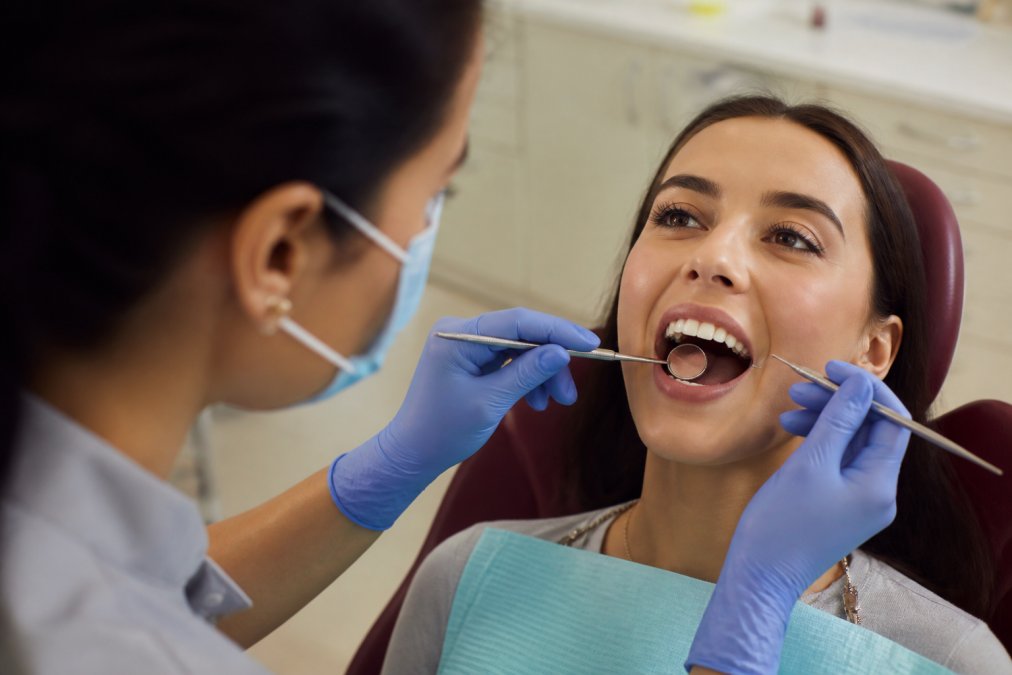
Bleeding gums when you brush or floss is the first sign of gingivitis. If you notice pink-tinged saliva after brushing or if your gums bleed during flossing, schedule an appointment with your dentist promptly. Swollen or tender gums, persistent bad breath, or a change in how your teeth fit together are also warning signs that gum disease is advancing and your cleaning frequency needs to increase.
High-Risk Patients and Patient-Specific Care
Certain patient populations benefit from more frequent professional cleanings, including people with diabetes, those taking medications that reduce saliva production, smokers, and patients with a family history of gum disease. If you fall into a high-risk category, discuss your optimal cleaning schedule with your dentist. Patient-specific care means your dentist adjusts your frequency based on your individual health profile, not a one-size-fits-all timeline.
The Cost-Benefit of Consistent Preventative Cleanings
Preventative dental cleanings represent one of the best investments your family can make in long-term health and financial stability. A small cavity caught during a routine cleaning costs far less to fill than a cavity that advances to the pulp, requiring a root canal and crown. Consistent preventative care also means fewer emergency dental visits, which disrupt your schedule and cost significantly more.
Gum disease is linked to heart disease, stroke, and diabetes complications. Maintaining healthy gums through consistent professional cleanings supports your overall health, not just your dental health. At Osuna Dental Care, we've helped thousands of families in Albuquerque, Rio Rancho, Placitas, North Valley, Uptown, and Nor Este understand that preventative cleanings are an investment that pays dividends for decades.
Your family's oral health depends on consistent professional care paired with excellent home hygiene. The twice-yearly cleaning schedule works for most families, but your individual needs may differ based on your cavity risk, gum health, and systemic conditions. The key is working with a dentist who assesses your family's specific situation and recommends a cleaning frequency that actually protects your teeth.
Osuna Dental Care, located at 5900 Cubero Dr NE Ste B, Albuquerque, NM 87109, specializes in comprehensive family dentistry and is recognized as experts of choice for full mouth dental implants in Albuquerque. Whether you need to establish a twice-yearly cleaning routine or require more frequent professional maintenance, our team provides transparent, efficient care for every family member. Call (505) 884-1989 to schedule your family's next cleaning and discover why patients throughout Albuquerque trust Osuna Dental Care for their preventative and restorative dental needs.
Frequently Asked Questions
How often do most families get dental cleanings?
Most families benefit from professional dental cleanings twice per year, or every six months. This frequency allows your dental hygienist to remove plaque and tartar buildup that regular brushing cannot address, and lets your dentist assess cavity risk and screen for gum disease early. Some families with excellent oral hygiene may maintain this schedule comfortably, while others with higher risk factors need more frequent visits for optimal preventative dentistry.
Should children have dental cleanings as often as adults?
Yes, children typically follow the same twice-yearly schedule as adults. Starting early with preventative dentistry establishes good habits and allows your dentist to monitor tooth development and catch decay before it becomes serious. Children who are prone to plaque buildup or have early signs of gingivitis may need more frequent professional cleanings. Your dental hygienist can recommend the best frequency for your child's specific needs.
What if my family has gum disease, do we need cleanings more often?
If your family has been diagnosed with gingivitis or periodontitis, your dentist will likely recommend more frequent cleanings and periodontal maintenance visits. Patients with active gum disease may need professional scaling and root planing, or cleanings every 3-4 months instead of twice yearly. More frequent visits help control bacterial growth, reduce inflammation, and prevent the disease from progressing to tooth loss. Your dentist will create a patient-specific care plan based on the severity of your periodontal health.
Are there any systemic health reasons my family should get more frequent dental cleanings?
Yes. Certain health conditions like diabetes, heart disease, or autoimmune disorders increase your risk of gum disease and tooth decay, which means more frequent professional cleanings and oral examinations are important. Patients taking medications that reduce saliva production, or those undergoing cancer treatment, also benefit from increased cleaning frequency. Your dentist can assess your overall health during your dental exam and adjust your cleaning schedule to support both your oral health and systemic health.
This article was written using GrandRanker
