Blogs
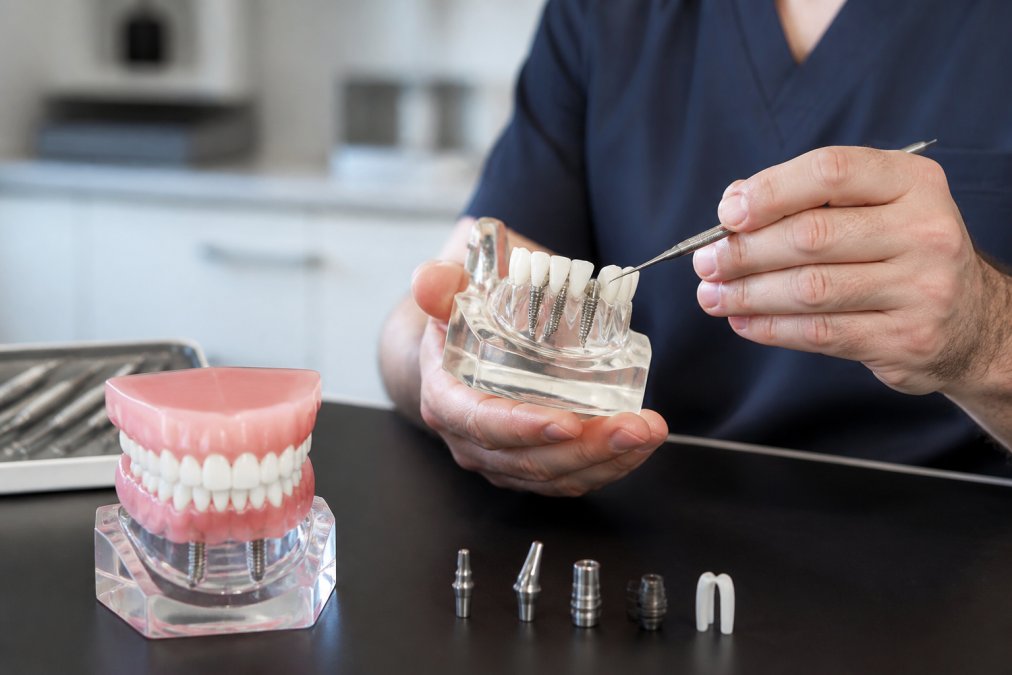
Modern Dental Technology for Implants: What to Know
Table of Contents
- How Modern Dental Technology for Implants Changed Treatment
- Digital Imaging and 3D Scanning: Precision from the Start
- Benefits of 3D Dental Imaging for Implant Planning
- Computer-Guided Surgery and the Digital Workflow
- New Implant Materials and 3D Printing Advancements
- Same-Day Implants and Minimally Invasive Techniques
- How Long Do Dental Implants Last With Modern Tech?
- All-on-4 Dental Implants Albuquerque Patients Choose
- Frequently Asked Questions
Last Updated: September 6, 2026
Modern dental technology for implants has completely transformed what patients in Albuquerque can expect from tooth replacement. The modern dental technology for implants available today means treatment that is faster, more precise, and far more comfortable than the multi-stage process that defined implant dentistry just a decade ago. At Osuna Dental Care, a family-owned practice serving Albuquerque since 1993, we have watched this technology turn a lengthy, uncertain procedure into a predictable, often single-visit solution. Below, we break down the specific tools and techniques changing implant care, and what they mean for patients in Rio Rancho, Placitas, North Valley, Uptown, and Nor Este.
How Modern Dental Technology for Implants Changed Treatment
The biggest shift in implant dentistry is the move from guesswork to guided precision. Older methods relied on 2D X-rays and freehand drilling, which left significant room for error. Modern dental technology for implants replaces that uncertainty with a digital workflow that plans every step before the first incision.
This shift matters because accuracy directly affects how well the implant fuses with your jawbone, a process called osseointegration. When the implant is placed in the exact planned position, the bone integrates more reliably, and the prosthetic teeth look and function more naturally. For patients, the result is less tissue trauma, a shorter post-operative recovery, and implants that feel like your own teeth.
Digital Imaging and 3D Scanning: Precision from the Start
Every precise implant placement starts with a detailed picture of your mouth. Digital imaging tools are the foundation of modern dental technology for implants, replacing flat 2D images with a complete 3D model of your teeth, roots, and facial structure.
Intraoral scanning captures the surface of your teeth in minutes, eliminating the need for messy impression materials. This scan creates a digital model that guides the design of your restoration. Combined with advanced imaging, it gives your dentist a full picture of your oral anatomy before treatment begins.
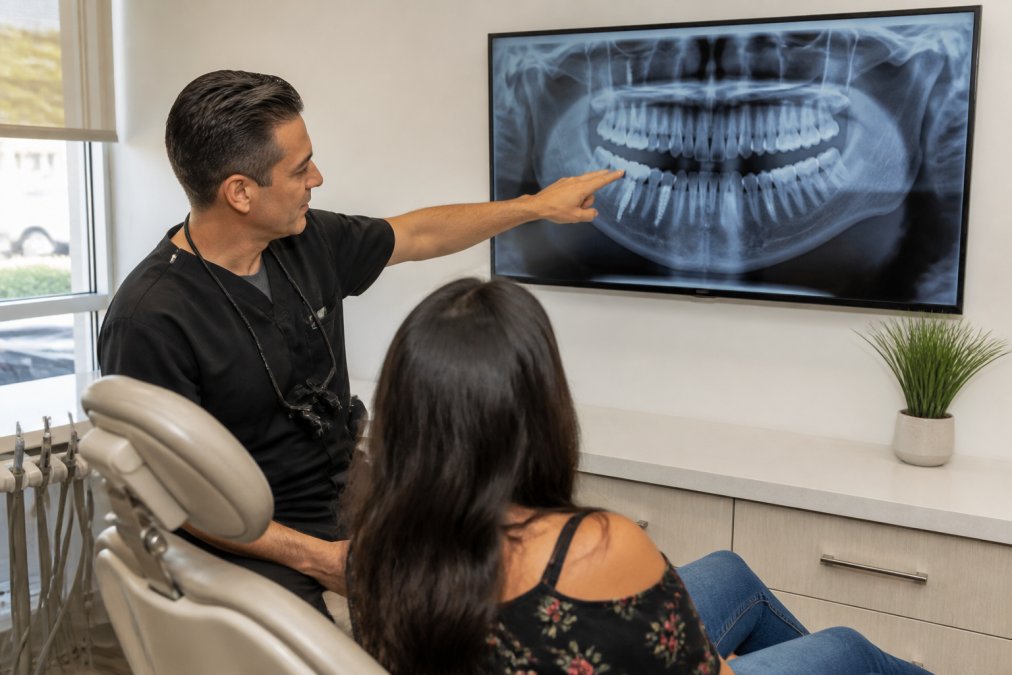
What CBCT Scans Show That X-Rays Cannot
A CBCT scan, or cone beam computed tomography, is the single most important imaging tool for implant planning (peer-reviewed research). While a standard X-ray shows the roots of teeth and basic bone levels, a CBCT scan produces a 3D image that reveals the exact shape and density of your jawbone.
This matters for several reasons. A CBCT scan shows the precise location of nerves and sinuses, which the dentist must avoid. It measures jawbone density and volume to confirm you have enough bone to support an implant. It also reveals any hidden issues, such as infections or cysts, that could complicate treatment. This level of detail is what makes the entire modern dental technology for implants process safe and predictable.
Benefits of 3D Dental Imaging for Implant Planning
The benefits of 3D dental imaging extend far beyond the diagnostic phase. For patients considering dental implants, this technology determines whether you are a candidate, how many implants you need, and where they must be placed for long-term success.
Using the 3D model, your dentist can assess the need for bone grafting before implant placement, rather than discovering it mid-surgery. The imaging also allows for precise measurement of the space available, ensuring the final prosthetic teeth fit correctly within your bite. This planning phase is where the benefits of 3D dental imaging translate directly into fewer surprises, shorter procedures, and a more comfortable experience overall.
Computer-Guided Surgery and the Digital Workflow
Computer-guided surgery takes the 3D scan one step further. Using specialized software, the dentist plans the exact position, angle, and depth of each implant on the digital model. This surgical plan is then used to create a custom guide, a template that fits over your teeth or gums and directs the drill precisely during placement.
The digital workflow connects every phase of treatment, from the initial scan to the final prosthetic. This integration is what makes same-day procedures possible. Because the plan is exact, the dentist can place the implant with minimal incision, leading to less tissue trauma and faster healing. For busy professionals in Albuquerque who cannot take weeks off work, computer-guided surgery means fewer appointments and a simplified process that often fits around a lunch break.
New Implant Materials and 3D Printing Advancements
The materials used for implants have also evolved. The gold standard for decades, titanium, remains highly effective due to its strength and proven osseointegration capacity (PubMed). However, the rise of zirconia offers a metal-free alternative that many patients prefer.
3D printing has revolutionized how dental prosthetics are made. Instead of sending impressions to an off-site lab and waiting weeks, a practice with 3D printing capability can fabricate surgical guides, temporary crowns, and even models for the final restoration in-house. This speed is a core component of modern dental technology for implants, dramatically reducing the time between diagnosis and the day you leave with new teeth.
Titanium vs. Zirconia: A Patient-Focused Comparison
Choosing between titanium and zirconia implants is a decision best made with your dentist, but understanding the core differences helps you ask the right questions.
| Material | Key Strength | Best For | Main Drawback |
|---|---|---|---|
| Titanium | Proven 40+ year track record, exceptional strength | Most cases, including full-arch | Metal color can show through thin gums |
| Zirconia | Tooth-colored, metal-free, biocompatible | Patients with metal sensitivities | Less long-term data than titanium |
Titanium remains the most thoroughly researched material in implant dentistry. Zirconia is a newer option that offers excellent aesthetics and biocompatibility, making it a strong choice for patients concerned about metals. Your dentist will recommend a material based on your jawbone density, the position of the implant, and your overall health history.
Same-Day Implants and Minimally Invasive Techniques
One of the most common questions patients ask is how implants can be completed in a single visit when they have heard the process takes months. The answer lies in the combination of 3D imaging, computer-guided surgery, and same-day restoration technology.
For eligible patients, the implant is placed using a minimally invasive technique guided by the digital plan (the American Dental Association). A temporary prosthetic tooth is then attached the same day, so you leave the office with a functional, natural-looking smile. This same-day dental implant approach does not skip the healing process; osseointegration still takes time. However, you do not have to wait months without teeth. This efficiency makes modern dental technology for implants a practical solution for patients who want to restore their smile without a lengthy disruption to their lives.
How Long Do Dental Implants Last With Modern Tech?
The question of how long do dental implants last is central to deciding whether they are worth the investment. With modern technology and materials, the answer is that they are designed to be a lifelong solution.
The implant itself is a screw that fuses with your jawbone. Once osseointegration is complete, the implant is as stable as a natural tooth root. The long-term success of your implant depends more on your daily habits than on the technology used to place it. Consistent brushing, flossing, and regular checkups at your Albuquerque dentist are essential to maintaining both the implant and the surrounding gum tissue.
What modern technology has improved is the predictability of the initial placement. Precise positioning reduces the risk of early failure, which is why practices that invest in this technology, like Osuna Dental Care, see high long-term success rates. For patients asking how long do dental implants last, the answer is that with proper care, they can last for decades, often for life.
All-on-4 Dental Implants Albuquerque Patients Choose
For patients missing most or all of their teeth, All-on-4 dental implants Albuquerque residents choose offer a complete solution. The All-on-4 technique uses just four strategically placed implants to support an entire arch of prosthetic teeth. This approach often eliminates the need for bone grafting, making it a faster and more affordable option than placing an individual implant for every tooth.
Osuna Dental Care is a provider of choice for full mouth dental implants in Albuquerque. We combine our expertise with the latest digital technology to deliver affordable, efficient, and expert care. Our practice is rated as one of the top highly rated dentists across Google and multiple platforms, and we are consistently rated best by Albuquerque patients for our transparent approach and high-quality results.
Choosing the right provider is as important as the technology itself. Osuna Dental Care has served the Albuquerque community since 1993, offering transparent pricing with no hidden fees and a gentle, efficient approach. Our use of 3D imaging and same-day technology ensures precise, comfortable treatment for every patient.
If you are exploring modern dental technology for implants and want to know if you are a candidate, schedule a consultation with our experienced team. We will answer your questions about the process, timeline, and what makes our practice different. To reach our office in Albuquerque, call us at (505) 884-1989 or visit us at 5900 Cubero Dr NE Ste B, Albuquerque, NM 87109. Get started with Osuna Dental Care and restore your smile with confidence.
Frequently Asked Questions
What is the newest technology for dental implants?
The newest technology combines CBCT 3D imaging with computer-guided surgery. This digital workflow lets your dentist plan the exact implant position before any work begins. At Osuna Dental Care in Albuquerque, this technology allows for procedures like same-day implants that were not possible with older methods. The result is greater precision, less tissue trauma, and a smoother recovery compared to traditional implant placement.
Are modern dental implants more durable than traditional options?
Yes, modern materials and placement methods have improved how long dental implants last. High-grade titanium and zirconia offer excellent biocompatibility and osseointegration, meaning the implant fuses securely with your jawbone. With good oral hygiene and regular checkups at our Albuquerque office, many implants last for decades. Your dentist will evaluate your jawbone density and overall health to confirm you are a good candidate.
How does 3D imaging improve dental implant accuracy?
3D imaging, specifically CBCT scans, gives your dentist a detailed view of your jawbone, nerves, and sinuses that traditional X-rays cannot provide. This technology allows for precise surgical planning before the procedure. At Osuna Dental Care, we use this digital information to place implants with accuracy that reduces the risk of complications. It also supports faster procedures and can make same-day implant placement possible for many patients.
What are the benefits of same-day dental implant procedures?
Same-day implants combine 3D imaging, digital planning, and often a prefabricated temporary prosthesis to place an implant and attach teeth in one appointment. The main benefits include fewer visits, less time off work, and immediate improvement in appearance. This approach suits busy patients in Albuquerque and surrounding areas like Rio Rancho and Placitas. Your dentist will determine if you have enough jawbone density for this approach during your consultation.
