Blogs
Painless Root Canal Treatment Options: A 2026 Guide
Table of Contents
- What Is a Root Canal and Why Modern Treatment Is Painless
- Modern Anesthesia and Pain Management During Root Canal Treatment
- Sedation Dentistry Options for Anxious Patients
- High-Tech Equipment That Makes Root Canals More Comfortable
- Emergency Dental Care in Albuquerque: When You Need Immediate Root Canal Treatment
- Root Canal Recovery Tips and Post-Operative Care
- Root Canal Alternatives and When to Consider Them
- Finding a Qualified Root Canal Specialist in Your Area
Last Updated: August 23, 2026
What Is a Root Canal and Why Modern Treatment Is Painless
A painless root canal treatment is a procedure that removes infected or damaged pulp from inside your tooth using modern anesthesia and advanced techniques to eliminate discomfort. Endodontic therapy has evolved dramatically, what once earned a reputation for pain is now one of the most comfortable procedures in modern dentistry.
At Osuna Dental Care in Albuquerque, we've treated many patients with root canal anxiety, and the consistent feedback is the same: "That wasn't painful at all." This shift happened because of better numbing agents, improved equipment, and a fundamental change in how dentists approach patient comfort.
How endodontic therapy works today
Modern endodontic therapy begins with digital radiography and 3D scans that show the exact anatomy of your tooth and infection. Local anesthesia follows, today's numbing agents are far more effective, blocking pain signals before they reach your brain. The actual treatment involves carefully removing infected pulp using rotary instrumentation, motorized files that rotate at precise speeds to clean the canal system. Once cleaned and shaped, the canal is filled with biocompatible material to seal it permanently. The entire process typically takes 30 to 60 minutes. Afterward, you'll need a dental crown to protect the treated tooth. Many patients in Albuquerque and surrounding areas like Rio Rancho and the North Valley choose same-day crown options to complete treatment in one visit.
Why the old reputation doesn't match current reality
The "root canal is painful" myth persists because of outdated information. Decades ago, before modern anesthesia and rotary instruments, the procedure was genuinely uncomfortable. A root canal is often less painful than the infection that made it necessary. The infection itself causes intense, throbbing pain. The treatment relieves that pain. Within hours of a successful root canal, most patients feel dramatically better.
Modern Anesthesia and Pain Management During Root Canal Treatment
Painless root canal treatment depends entirely on effective anesthesia. Modern numbing techniques have made root canals genuinely comfortable for the vast majority of patients.
Local anesthesia and numbing techniques
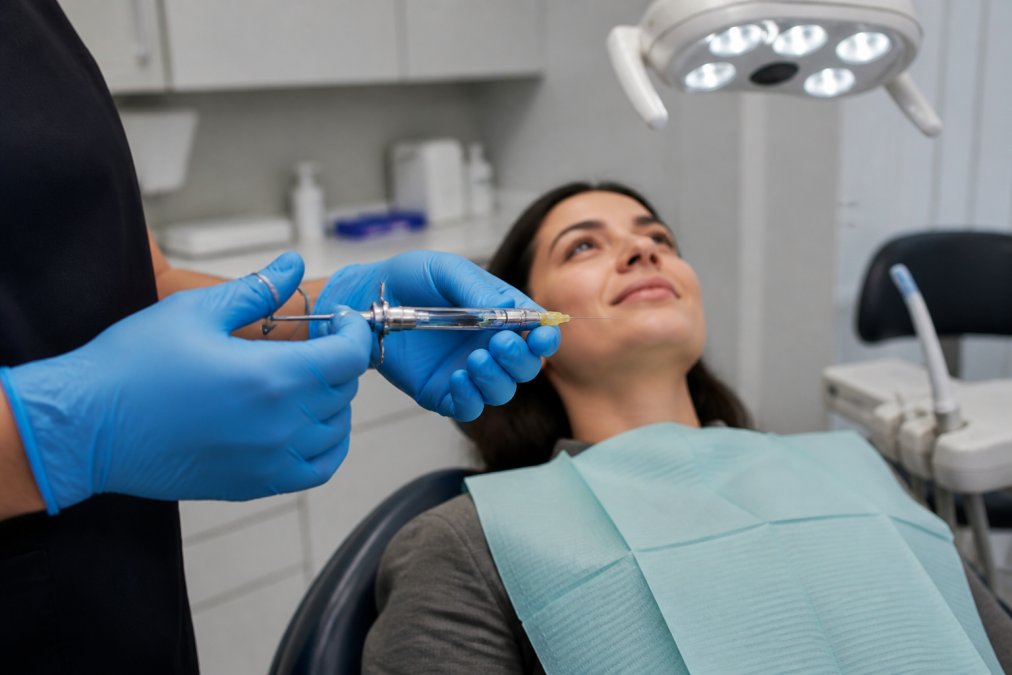
Your dentist applies a topical numbing gel first, making the injection itself painless. Then they administer local anesthetic, which spreads through tissues around your tooth and into the pulp chamber. Today's anesthetic agents are significantly more potent and longer-lasting than older formulas, keeping you numb for the entire procedure and several hours afterward (the American Dental Association). Your dentist will test the numbness before starting to confirm you can't feel pain, only pressure.
How dentists minimize discomfort during the procedure
Skilled endodontists work slowly and deliberately during initial stages. Rubber dam isolation is standard practice, this small rubber sheet isolates your tooth and keeps your mouth dry, improving comfort and reducing treatment time. Communication is essential. A good dentist explains what they're doing and gives you a hand signal to raise if you need a break.
Sedation Dentistry Options for Anxious Patients
For patients with significant dental anxiety, sedation dentistry removes the emotional component of the experience entirely. You're awake but deeply relaxed, with no memory of the procedure.
Nitrous oxide and conscious sedation
Nitrous oxide, commonly called laughing gas, is the mildest sedation option. You breathe a mixture through a small mask and feel relaxed within minutes. The effect wears off immediately when the mask is removed. Conscious sedation goes deeper, your dentist administers medication intravenously, and you drift into a twilight state with no memory of the procedure. Your vital signs are monitored continuously, and you'll need someone to drive you home.
Psychological pain management strategies
Pain is partly physical and partly psychological. Anxiety amplifies perceived pain. Visualization works, before your appointment, imagine the procedure going smoothly. Breathing techniques calm your nervous system. Slow, deep breathing activates your parasympathetic nervous system, counteracting the fight-or-flight response. Many dental offices offer headphones so you can listen to music or a podcast during treatment, making time pass faster and reducing anxiety.
High-Tech Equipment That Makes Root Canals More Comfortable
Modern dental technology has transformed root canal treatment into a straightforward procedure.
Digital radiography and 3D imaging
Digital radiography uses far less radiation than traditional X-rays while providing superior image quality (the FDA). Your dentist can see the exact shape and depth of the infection, plan treatment precisely, and complete it faster. Cone beam computed tomography provides a three-dimensional map of your tooth and surrounding bone, allowing your dentist to navigate complex canal systems with precision.
Rotary instrumentation and minimally invasive techniques
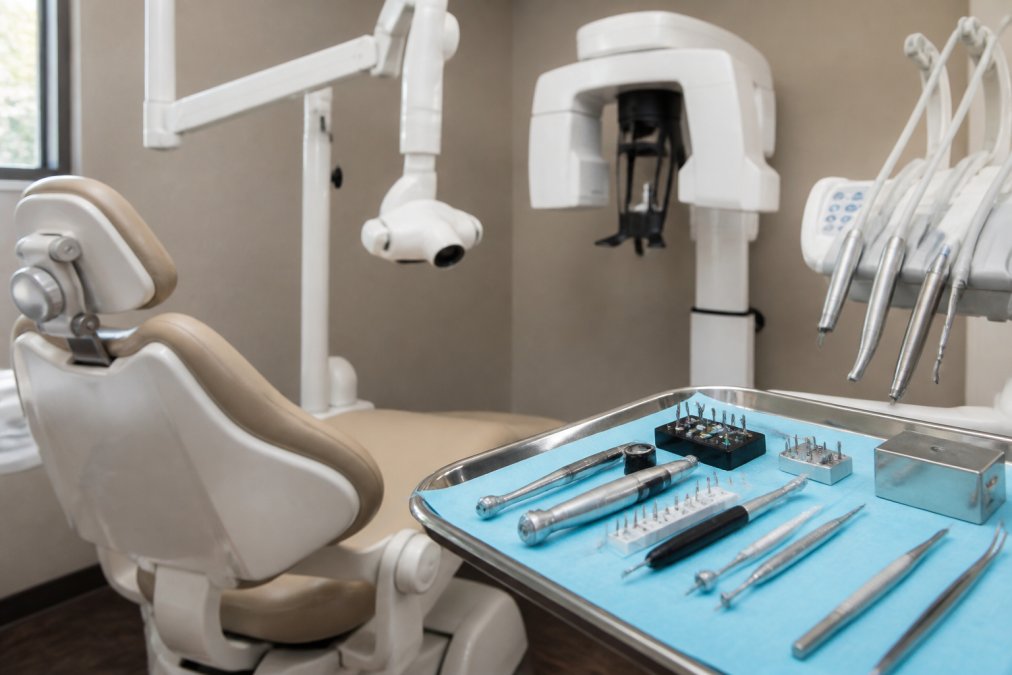
Rotary files are motorized instruments that spin at controlled speeds to clean and shape the root canal. They're gentler than hand files and work much faster, with less vibration and less trauma to surrounding tissue. Nickel-titanium files are flexible and follow the natural curve of the root canal without straightening it, preserving more natural tooth structure (peer-reviewed research).
Emergency Dental Care in Albuquerque: When You Need Immediate Root Canal Treatment
Sometimes a tooth doesn't wait for a scheduled appointment. Knowing when you need emergency care and where to find it can save you from days of intense pain.
Signs you need emergency root canal treatment
Severe, throbbing pain that doesn't respond to over-the-counter pain relievers is the primary sign. The pain often wakes you at night and intensifies when you bite down. You might also notice swelling in your gum or face, a pimple-like bump on your gum above the affected tooth, or discoloration of the tooth. An abscess, a collection of pus at the root of your tooth, is a serious sign requiring immediate treatment.
How to access same-day or urgent treatment
Osuna Dental Care in Albuquerque offers emergency and urgent root canal treatment for patients in Albuquerque, Rio Rancho, Placitas, North Valley, Uptown, and Nor Este. Call (505) 884-1989 to reach our office at 5900 Cubero Dr NE Ste B, Albuquerque, NM 87109. Describe your symptoms, and our team will determine if you need same-day treatment or can wait for a scheduled appointment. Many emergency root canals can be completed in a single visit.
Root Canal Recovery Tips and Post-Operative Care
Recovery from a root canal is straightforward for most patients. Understanding what to expect helps you manage any discomfort and protects your investment in treatment.
What to expect in the hours and days after treatment
For the first few hours, your mouth will feel numb. Avoid eating until numbness wears off to prevent accidentally biting your cheek or tongue. Stick to soft foods for the first 24 hours: yogurt, applesauce, soup, mashed potatoes, or smoothies. Some sensitivity is normal. Your tooth may feel slightly tender when you bite down, or you might notice mild soreness in your gum. This typically subsides within a few days. Over-the-counter pain relievers like ibuprofen or acetaminophen manage any discomfort. Avoid chewing on the treated tooth until you have a permanent crown, as the tooth is now hollow inside and more fragile.
Managing post-procedure sensitivity and pain timeline
Most patients experience minimal discomfort after a root canal. The infection that caused the original pain is gone, so you feel relief almost immediately. Any post-operative sensitivity usually fades within a week. If you experience significant pain after a few days, contact your dentist. Persistent swelling, fever, or difficulty swallowing also warrant a call.
Root Canal Alternatives and When to Consider Them
In some cases, a root canal isn't the only option. Understanding alternatives helps you make an informed decision with your dentist.
Pulp capping and other conservative options
If the infection is caught very early, before it reaches the pulp chamber, pulp capping might save the tooth. This procedure involves applying biocompatible material directly over the exposed pulp to encourage healing. Pulp capping works only in specific situations: a very recent exposure, no symptoms of infection, and a tooth that's otherwise healthy. Your dentist can determine if this option applies to your tooth.
Tooth extraction and replacement with dental implants
If the tooth can't be saved, extraction is sometimes the better choice. A severely fractured tooth, an infection that has destroyed too much bone, or a tooth that's been treated multiple times might be better removed than saved. After extraction, you'll need to replace the tooth. Dental implants are the gold standard for tooth replacement. An implant is a titanium post surgically placed in your jawbone, topped with a crown that looks and functions like a natural tooth. For patients missing multiple teeth, All-on-4 dental implants offer a comprehensive solution. Osuna Dental Care specializes in affordable, efficient full mouth dental implants for patients throughout Albuquerque and surrounding areas.
Finding a Qualified Root Canal Specialist in Your Area
Not every dentist performs root canals. Specialists called endodontists have additional training specifically in root canal treatment and complex cases.
What credentials and experience matter
Look for a dentist or endodontist who is board-certified by the American Board of Endodontics. This certification requires passing rigorous exams and maintaining continuing education. Ask about experience with complex cases and how many root canals they perform each month. Digital imaging and rotary instrumentation are standard in modern practices.
Why Osuna Dental Care is trusted for painless root canal treatment
Osuna Dental Care has served Albuquerque patients for over 30 years as a family-owned dental practice. Our team combines experience with modern technology, using 3D imaging, rotary instrumentation, and advanced anesthesia techniques to make root canals as comfortable as possible. Our patients consistently report that their root canal experience was far less painful than expected. If you're in Albuquerque, Rio Rancho, Placitas, North Valley, Uptown, or Nor Este and need a root canal, contact Osuna Dental Care at (505) 884-1989. Our office is located at 5900 Cubero Dr NE Ste B, Albuquerque, NM 87109. We're committed to providing affordable, expert root canal care to patients throughout Albuquerque, Rio Rancho, Placitas, North Valley, Uptown, and Nor Este.
| Treatment Approach | Best For | Recovery Time | Key Benefit |
|---|---|---|---|
| Local anesthesia only | Patients with low anxiety | 2-3 hours | Fastest, minimal cost |
| Nitrous oxide sedation | Moderate anxiety | 30 minutes to 1 hour | Relaxed but conscious |
| Conscious IV sedation | High anxiety or long procedures | 4-6 hours | No memory of procedure |
| Pulp capping | Early infection caught immediately | 1-2 weeks | Preserves more tooth structure |
| Root canal + crown | Established infection | 1-2 weeks | Saves natural tooth permanently |
| Extraction + implant | Tooth cannot be saved | 3-6 months | Replacement tooth function |
Frequently Asked Questions
Is a painless root canal treatment really possible, or is that just marketing?
Modern painless root canal treatment is absolutely real. Advanced local anesthesia techniques, digital imaging, and rotary instrumentation make the procedure comfortable. Most patients report little to no pain during treatment. Any discomfort is typically mild pressure or vibration, not sharp pain. If you're anxious, sedation dentistry options like nitrous oxide can help you relax completely. Your dentist can discuss which approach works best for your comfort level.
What sedation dentistry options are available for root canal anxiety?
Several sedation options help anxious patients. Nitrous oxide (laughing gas) is mild and wears off quickly, leaving you alert but relaxed. Oral sedation uses medication to help you feel calm while remaining conscious. IV sedation provides deeper relaxation for more complex cases. Local anesthesia alone is sufficient for many patients when combined with psychological pain management techniques like breathing exercises. Discuss your anxiety level with your dentist to choose the right option for you.
How long does root canal recovery take, and when will the pain timeline improve?
Most patients experience minimal discomfort after a painless root canal treatment. The numbing typically wears off within 2-3 hours, and you may feel mild soreness for a few days. Over-the-counter pain relief usually manages any post-operative sensitivity. Full recovery happens within 1-2 weeks. Avoid chewing on the treated tooth until it receives a permanent crown. If pain persists beyond a week or worsens, contact your dentist for evaluation. Proper post-operative care speeds healing significantly.
What should I do if I need emergency dental care for a root canal in my area?
If you experience severe tooth pain, swelling, or signs of infection, seek emergency dental care immediately. Many dental practices, including those in your local community, offer same-day or urgent appointment slots for emergency root canal treatment. Call your dentist's emergency line or visit an urgent care facility. Don't wait, early treatment prevents complications and infection spread. Osuna Dental Care in Albuquerque provides emergency root canal services; call (505) 884-1989 for immediate assistance.
This article was written using GrandRanker
