Blogs
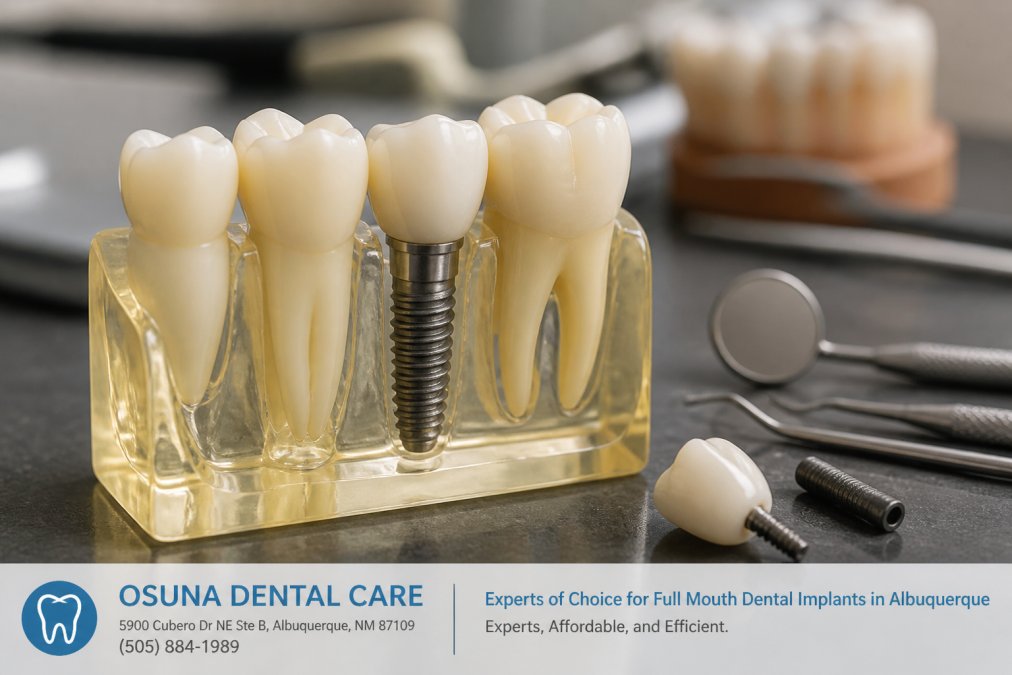
Top 5 Dental Implant Procedure Steps
Table of Contents
- Step 1: Initial Consultation and Assessment
- Step 2: Tooth Extraction and Site Preparation
- Step 3: Implant Body Placement Surgery
- Step 4: Osseointegration and Healing Period
- Step 5: Abutment Attachment and Crown Placement
- How Long Do Dental Implants Last
- Full Mouth Dental Implants in Albuquerque
- Dental Implant Recovery Timeline
- Frequently Asked Questions
Last Updated: September 24, 2026
Understanding the dental implant procedure steps is essential if you're considering tooth replacement. At Osuna Dental Care, we've guided many patients through this transformative journey. Whether you're missing one tooth or need a full mouth restoration, knowing what to expect during each stage helps reduce anxiety and builds confidence in your decision. Below, we'll walk you through the top 5 dental implant procedure steps that form the foundation of successful implant treatment.
Step 1: Initial Consultation and Assessment
Your implant journey begins with a comprehensive evaluation. Your dentist examines your teeth, gums, and jawbone to determine if you're a suitable candidate for implants, shaping your entire treatment plan and timeline.
What Happens During Your First Visit
Your dentist reviews your medical and dental history, checks bone density and gum health, and discusses your goals, whether you need a single tooth replacement or full mouth dental implants.
At Osuna Dental Care, our team uses advanced 3D imaging to create a precise picture of your jaw structure. This technology allows us to plan your treatment with exceptional accuracy before any surgical work begins.
3D Imaging and Digital Treatment Planning
3D CT scans evaluate bone height, width, and density, critical factors for implant success. Digital planning software lets you preview your new smile and understand implant placement angles before surgery. At Osuna Dental Care, we explain every step and show you exactly what to expect, which is why patients throughout Albuquerque, Rio Rancho, Placitas, North Valley, Uptown, and Nor Este choose us for their implant needs.
Step 2: Tooth Extraction and Site Preparation
If you have a damaged tooth in the implant area, extraction comes first under local anesthesia. Your dentist then assesses whether immediate implant placement is possible or if a healing period is necessary, determining your timeline and whether bone grafting is required.
Immediate vs. Delayed Implant Placement
Immediate implant placement reduces treatment time by several months when bone quality permits. Delayed placement (3-6 months) is recommended if the tooth was infected, bone quality is compromised, or you have active gum disease. During this waiting period, a temporary denture maintains your appearance and function.
Assessing Your Bone: When Grafting Becomes Necessary
Bone grafting may be necessary when jawbone height or width is insufficient. Tooth loss causes bone resorption; the longer teeth are missing, the greater the loss. Insufficient bone volume leads to implant failure and infection, making grafting essential for long-term success.
Bone graft material may come from your own bone, donor bone, or synthetic substitutes. Your surgeon places the graft, and over 4-6 months, your body incorporates it into existing bone.
Site Preparation and Soft Tissue Management
Soft tissue grafting may be needed if your gum is thin or receded; adequate thickness protects your implant from recession and infection. Your dentist also evaluates bite and jaw alignment; orthodontic treatment may be recommended before implant placement.
Step 3: Implant Body Placement Surgery
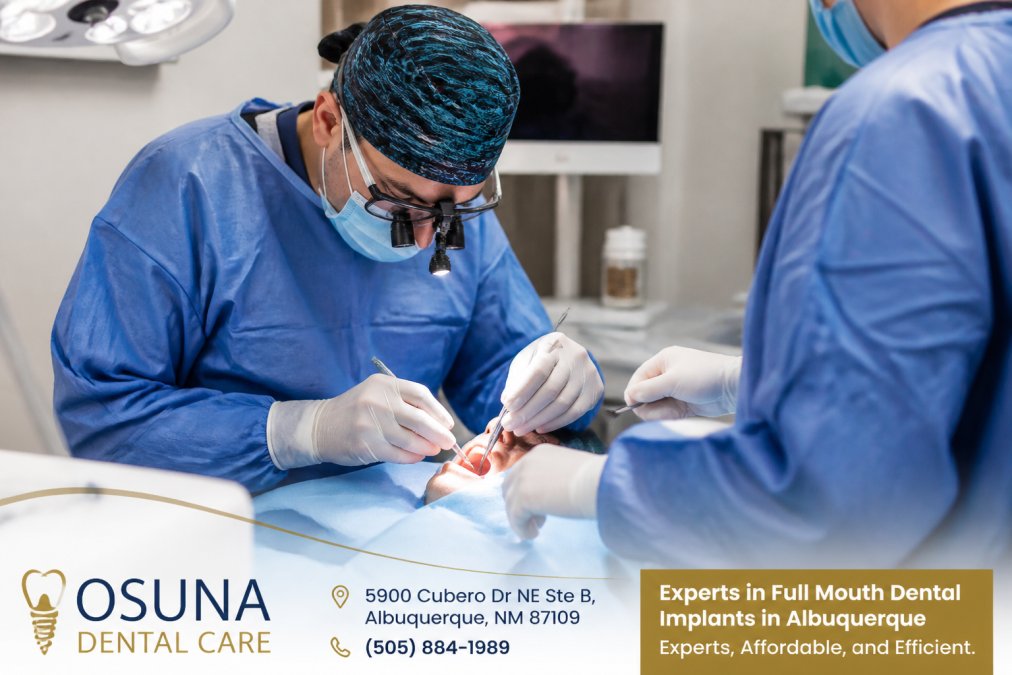
Implant body placement is the surgical procedure where your dentist inserts the titanium post into your jawbone. The surgery is performed under local anesthesia, with sedation dentistry options available to help you relax.
Pain Management and Anesthesia Options
Local anesthesia numbs the surgical area completely; you feel pressure and vibration but no pain. Nitrous oxide or oral sedation are available to help you relax. Alert your dentist immediately if you experience sharp pain so they can administer additional anesthetic.
Day-by-Day Recovery and Pain Timeline
Day 1 (Surgery Day): Numbness lasts 2-4 hours; mild to moderate discomfort follows. Take prescribed pain medication before anesthesia wears off. Avoid hot foods; stick to cool, soft foods like yogurt and smoothies.
Managing Post-Operative Discomfort
Additional strategies to reduce discomfort and speed healing:
- Elevation: Sleep with your head elevated on two pillows for the first week to reduce swelling.
- Soft Diet: Stick to soft, cool foods for the first week (mashed potatoes, scrambled eggs, cooled soup, pudding, protein shakes).
- Oral Hygiene: Avoid rinsing, spitting, or using a straw for 24 hours to prevent dry socket. After 24 hours, rinse gently with warm salt water after meals.
- Avoid Smoking and Alcohol: Both delay healing and increase infection risk; avoid for at least 72 hours, ideally 2 weeks.
- Hydration: Drink plenty of water; avoid caffeine and alcohol, which increase swelling.
When to Contact Your Dentist
Contact your dentist immediately if you experience:
- Severe pain unrelieved by medication after 3-4 days
- Excessive bleeding that doesn't stop after 30 minutes of pressure
- Signs of infection: fever above 101°F, increasing swelling after day 3, pus, or foul odor
- Difficulty swallowing or breathing
- Allergic reaction: rash, hives, or difficulty breathing
At Osuna Dental Care, our team provides detailed post-operative instructions and is available to answer questions during your recovery. We're committed to making your implant journey as comfortable as possible. If you have concerns during your healing, call us at (505) 884-1989, we're here to help patients throughout Albuquerque, Rio Rancho, Placitas, North Valley, Uptown, and Nor Este.
Step 4: Osseointegration and Healing Period
After implant placement, osseointegration occurs, the titanium implant fuses with your jawbone at the cellular level, creating a bond stronger than a natural tooth root. This typically takes 3-6 months. Your implant remains beneath the gum surface, protected from chewing forces. You'll wear a temporary tooth or denture if visible. Periodic check-ups and X-rays monitor healing; following post-operative care instructions, eating soft foods, maintaining gentle oral hygiene, and avoiding smoking accelerates healing and improves success.
Step 5: Abutment Attachment and Crown Placement
Once osseointegration is complete, your dentist places an abutment (connector piece) and takes impressions or digital scans to fabricate your custom crown, bridge, or denture. For full mouth dental implants using All-on-4 technology, a complete arch of teeth is anchored by four strategically placed implants. Your dentist seats the restoration, adjusts bite alignment, and provides care instructions that directly impact implant longevity.
How Long Do Dental Implants Last
Dental implants are designed to last a lifetime with proper care. The titanium post is designed for long-term stability once osseointegration is complete, though crowns may need replacement over time. Full mouth dental implants using All-on-4 technology are designed for long-term function with excellent oral hygiene and regular dental visits. Longevity depends on bone health, oral hygiene commitment, smoking status, and teeth grinding.
Full Mouth Dental Implants in Albuquerque
If you're missing most or all of your teeth, full mouth dental implants offer a transformative solution. Rather than wearing a traditional denture that relies on suction or adhesive, All-on-4 implants provide a fixed, natural-feeling restoration anchored by four strategically placed implants per arch.
Dental Implant Recovery Timeline
Understanding your recovery timeline helps you plan time off work and manage expectations. The dental implant procedure steps span several months, but most active recovery happens in the first two weeks.
| Recovery Phase | Timeline | What to Expect | Activity Level |
|---|---|---|---|
| Immediate Post-Op | Days 1-3 | Swelling peaks, minor bleeding, mild discomfort | Rest, ice application |
| Early Healing | Days 4-14 | Swelling decreases, sutures dissolve, return to soft foods | Light activity, avoid strenuous exercise |
| Bone Integration Begins | Weeks 2-6 | Gum heals completely, bone begins fusing with implant | Normal activities, continue gentle oral care |
| Osseointegration | Months 2-6 | Implant fuses with jawbone, no symptoms, complete healing | Full activity, normal diet |
| Restoration Phase | Months 6-9 | Abutment placement, crown fabrication, final fitting | Normal function, regular dental care |
Frequently Asked Questions
What are the primary stages of getting a dental implant?
The main stages are: initial consultation with imaging and treatment planning, tooth extraction and site preparation (with bone grafting if needed), implant body placement surgery, osseointegration and healing over several months, abutment attachment, and final crown or prosthesis placement. Each stage serves a specific purpose in creating a stable, long-lasting restoration that functions like a natural tooth.
How long do dental implants last with proper care?
Dental implants are designed for long-term function with proper maintenance. Success depends on good oral hygiene, regular professional cleanings, avoiding smoking, and managing conditions like peri-implantitis. The titanium implant body itself is highly durable; longevity often depends more on the crown or prosthesis placed on top, which may need replacement over time.
Is dental implant surgery painful?
Most patients experience minimal pain during implant placement because local anesthesia numbs the surgical area. You may feel pressure or vibration, but not sharp pain. Post-operative discomfort is typically mild to moderate and managed with prescribed pain medication and ice therapy. Sedation dentistry options are available for anxious patients who prefer deeper relaxation during the procedure.
What should I expect during the recovery phase of dental implants?
Recovery typically involves 7-10 days of initial healing, during which swelling, bruising, and mild discomfort may occur. Most patients return to light activities within a week. Complete osseointegration (bone fusion with the implant) takes 3-6 months, during which the implant must remain undisturbed. Dietary restrictions apply during early healing; soft foods are recommended for the first few weeks.
Why choose Osuna Dental Care for dental implants in Albuquerque?
Osuna Dental Care is a family-owned practice serving the Albuquerque community for over 30 years with transparent pricing and no hidden fees. We are experts of choice for full mouth dental implants, offering efficient, affordable care using advanced 3D imaging technology. Our team is highly rated by Google and multiple platforms, and we provide gentle, virtually painless treatment with same-day crown capabilities when appropriate.
