Blogs
What Is Cosmetic Dental Bonding: A Complete Guide
Table of Contents
- What Is Cosmetic Dental Bonding?
- How Dental Bonding Procedure Steps Work
- Common Uses for Dental Bonding
- How Long Does Dental Bonding Last?
- Dental Bonding vs Veneers: Key Differences
- Pros and Cons of Cosmetic Bonding
- Aftercare and Long-Term Stain Management
- Frequently Asked Questions
Last Updated: September 18, 2026
What Is Cosmetic Dental Bonding?
Cosmetic dental bonding is a simple, tooth-colored restoration technique that uses composite resin to repair or improve the appearance of your teeth. At Osuna Dental Care, we use this treatment to fix chips, cracks, discoloration, and gaps between teeth, often in a single visit.
The resin bonds directly to your tooth in one chair visit. Unlike veneers, which require lab work and multiple appointments, bonding is shaped and polished to match your tooth color in a single session.
Bonding is affordable, non-invasive, and delivers immediate results for minor to moderate imperfections.
How Dental Bonding Procedure Steps Work
The bonding process typically takes 30 to 60 minutes per tooth, depending on the size and complexity of the repair. Here's what happens during your appointment.
Preparation and Etching
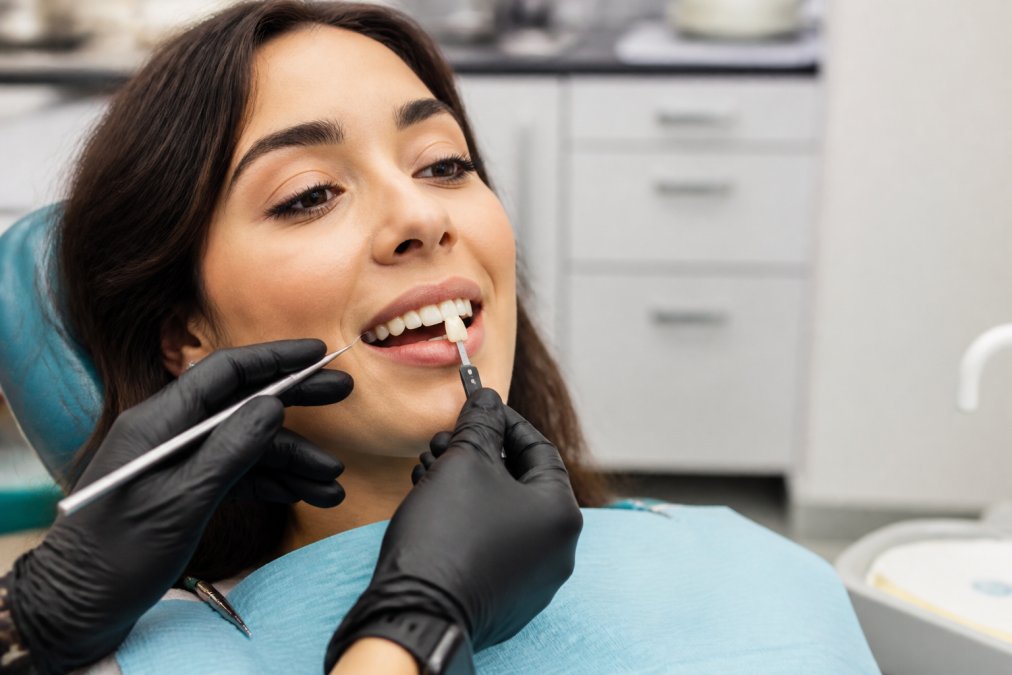
Your dentist selects the shade of composite resin to match your tooth, then gently roughens the surface with etching solution to help the bonding agent stick. The tooth is cleaned and dried completely, moisture weakens the bond.
Applying Bonding Agent and Composite Resin
A bonding agent is painted onto the etched surface and hardens under a curing light. Your dentist then applies tooth-colored composite resin, sculpting it to match your tooth's natural contours.
Curing and Polishing
A curing light hardens the resin in seconds. Your dentist then trims excess material and polishes the tooth to a natural shine that blends seamlessly with your other teeth.
Common Uses for Dental Bonding
Cosmetic dental bonding works for many different tooth problems. Here are the most common reasons patients choose this treatment:
Chipped or cracked teeth, Bonding restores shape and protects exposed layers. Discoloration, Covers stains faster and cheaper than veneers. Gaps between teeth, Closes small spaces by building up tooth structure. Decayed areas, Seals small cavities as an alternative to silver fillings. Worn edges, Rebuilds structure for a more youthful appearance. Uneven teeth, Builds up shorter teeth to match others.
At Osuna Dental Care in Albuquerque and surrounding areas like Rio Rancho, North Valley, and Uptown, bonding is especially popular for busy professionals who need fast results without multiple appointments. For patients with more extensive tooth loss or damage, we also offer Dental Implants as a long-term restorative option.
How Long Does Dental Bonding Last?
Composite resin bonding typically lasts 5 to 10 years. Front teeth bonding often outlasts back teeth bonding by 2-3 years because they experience less chewing force.
Factors That Affect Bonding Lifespan
Your bite and chewing habits. Hard chewing and teeth grinding wear bonding faster. Back teeth experience more force and may need repair sooner. A nightguard protects bonding on back teeth.
Oral hygiene. Brushing twice daily and flossing prevents decay around the bonded edge. Plaque buildup along the margin is the most common reason bonding fails prematurely.
Diet and lifestyle. Acidic foods and drinks soften resin over time. Smoking accelerates staining and degradation, smokers often see visible wear within 4-6 years.
Bonding location. Front teeth bonding lasts longer because they're used for biting, not grinding. Bonding on lower back molars experiences the most stress and typically needs replacement or repair every 5-7 years.
What Happens When Bonding Fails: Repair vs. Replacement
Unlike veneers or crowns, bonding failure is not catastrophic. Your dentist has several options depending on the type of damage:
Small chips or wear. Your dentist can add more resin in a single visit (a "touch-up"). The new resin bonds to existing material invisibly, quick, affordable fixes without full replacement.
Margin discoloration. A dark line may appear where bonding meets your tooth. Your dentist can polish away stains or apply a thin fresh layer of resin to the margin in one visit.
Bonding failure (complete loss). If the entire bonded area separates, your dentist removes old bonding and applies new resin in one appointment.
Decay under the bonding. Regular dental checkups catch decay early before bonding fails. Extensive decay may require a crown instead of re-bonding.
Visual Signs It's Time for Repair or Replacement
You don't have to wait for bonding to fail completely. Watch for these warning signs that a touch-up or replacement is due:
- Visible margin line. A dark or discolored line appears where the bonding meets your tooth.
- Rough or jagged edge. The bonded area feels rough when you run your tongue over it, or the edge looks uneven.
- Dull appearance. The bonding loses its shine and looks matte compared to your natural teeth.
- Visible chips or gaps. Small pieces are missing from the bonded area, or you can see a gap between the bonding and your tooth.
- Sensitivity. Sudden sensitivity to cold or pressure on the bonded tooth may indicate decay or a failing bond.
If you notice any of these signs, schedule a checkup. At Osuna Dental Care in Albuquerque, we monitor bonding during routine checkups and recommend touch-ups before patients notice wear. Our team can fix issues in a single visit, keeping your smile fresh without full replacement costs.
Dental Bonding vs Veneers: Key Differences
Both bonding and veneers improve your smile, but they work differently and have different lifespans. Understanding the differences helps you choose the right treatment.
| Feature | Bonding | Veneers |
|---|---|---|
| Material | Composite resin | Porcelain or composite |
| Durability | 5-10 years | 10-15+ years |
| Tooth prep | Minimal | Moderate (tooth shaping required) |
| Appointments | 1 visit | 2-3 visits |
| Cost | Lower | Higher |
| Repairability | Easy to touch up | Requires replacement |
| Stain resistance | Lower | Higher |
Bonding is applied in one appointment with minimal tooth removal. It's easier to repair but wears faster than veneers. Ideal for small imperfections. Veneers are stronger, more stain-resistant shells requiring multiple visits.
Pros and Cons of Cosmetic Bonding
Pros: Quick one-appointment results, affordable, non-invasive, reversible, easy to repair, looks natural, good for anxious patients. Cons: Less durable than veneers (5-10 vs. 10-15+ years), stains easily, not ideal for heavy chewing, may show repair lines over time, requires maintenance touch-ups, limited for large gaps.
Aftercare and Long-Term Stain Management
Your bonded teeth need care to stay beautiful and functional. Good habits extend the life of your bonding, prevent staining, and help you avoid costly repairs. The first 24 hours are critical, but long-term maintenance is what keeps bonding looking fresh for years.
Immediate Aftercare (First 24 Hours)
The bond strengthens for the first 24 hours. Avoid hard, sticky, and staining foods; dark beverages and acidic drinks (use a straw); tobacco; and aggressive brushing. Use a soft toothbrush with gentle circular motions.
Long-Term Daily Care
Brush twice daily with a soft, non-abrasive toothpaste. Avoid whitening toothpastes and bleaching trays, which can scratch or discolor bonding. Pay special attention to the margin where plaque and stains accumulate fastest.
Stain Prevention and Management Strategy
Limit staining foods and drinks like red wine, coffee, tea, cola, and dark berries. Consume in moderation, rinse afterward, and use a straw when drinking.
Visual Timeline: What Degradation Looks Like
Knowing what to expect helps you catch problems early:
Years 1-3: Bonding looks perfect with minimal margin staining. Years 3-5: Faint dark line at margin; slightly less shine. Years 5-7: Obvious margin staining; visible wear on back teeth; small chips. Years 7-10: Aged appearance; significant staining; common chips. Beyond 10 years: Decay risk increases; regular checkups essential.
Frequently Asked Questions
How long does cosmetic bonding last on front teeth?
Dental bonding typically lasts 5 to 10 years on front teeth, depending on how well you care for your teeth and your oral habits. The composite resin material used in bonding is durable, but it can chip, crack, or stain over time, especially if you bite your nails, chew ice, or consume dark-staining foods and beverages. Regular brushing, flossing, and professional cleanings help extend the lifespan of your bonding. If damage occurs, bonding can be easily repaired or replaced by your dentist.
What are the primary benefits of choosing dental bonding over veneers?
Dental bonding offers several advantages over porcelain veneers. Bonding is less invasive because it requires minimal tooth preparation and no permanent removal of tooth structure. It's also more affordable and can usually be completed in a single visit. Unlike veneers, bonded teeth can be repaired if they chip or crack without replacing the entire restoration. However, bonding is less stain-resistant and doesn't last as long as veneers, which is an important trade-off to consider.
Does cosmetic dental bonding require anesthesia?
Most cosmetic dental bonding procedures do not require anesthesia because they are non-invasive and painless. The dentist applies the composite resin directly to the tooth surface without drilling or removing enamel in many cases. However, if bonding is used to fill a cavity or if tooth sensitivity is a concern, your dentist may apply a local anesthetic for your comfort. Your dentist will discuss anesthesia options with you before the procedure begins.
How should I care for my bonded teeth to ensure longevity?
Proper aftercare is essential for extending the life of your bonding. Brush your teeth twice daily with a soft-bristled toothbrush and fluoride toothpaste, and floss daily to remove plaque and tartar buildup. Avoid biting your nails, chewing ice, or using your teeth to open packages. Limit dark-staining foods and beverages like coffee, red wine, and berries, or use a straw when consuming them. Schedule regular dental checkups and professional cleanings every six months. If you notice any chips, cracks, or rough edges, contact your dentist promptly for repair.
