Blogs
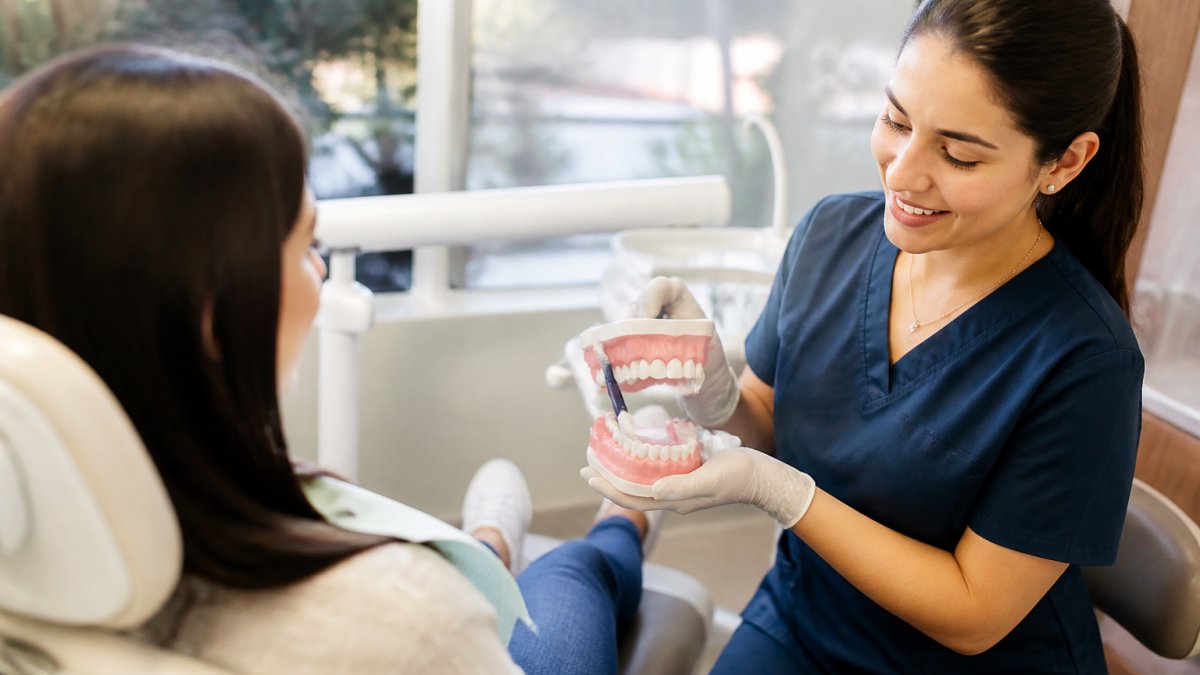
What to Expect During Your First Dental Visit
Table of Contents
- What to Expect During Your First Dental Visit: A Step-by-Step Guide
- Before You Arrive: What to Bring to a Dentist Appointment
- Check-In and Patient Paperwork
- Medical History Review and Health Assessment
- The Dental Examination and Oral Assessment
- Dental X-Rays and Imaging
- Your First Dental Cleaning and Professional Care
- How Long Does a Dental Appointment Take
- Frequently Asked Questions
Last Updated: October 9, 2026
What to Expect During Your First Dental Visit: A Step-by-Step Guide
Your first dental visit doesn't have to be stressful. Knowing what to expect during your first dental visit helps you feel prepared and calm when you walk through the door. We understand that many patients feel nervous about their first appointment, especially if they've had past dental anxiety or haven't visited a dentist in years.
This guide walks you through every step of your first dental visit. From the moment you arrive for check-in to when you leave with your treatment plan, we'll explain what happens and why. Understanding the process removes the mystery and helps you feel more in control. Whether you're coming in for a routine cleaning, addressing tooth pain, or exploring options like dental implants, this roadmap prepares you for success.
Before You Arrive: What to Bring to a Dentist Appointment
Preparation makes your first dental visit smooth and efficient. Gather these items before you leave home:
- Insurance card (if you have dental coverage)
- Photo ID (driver's license or passport)
- List of current medications (bring the bottles or write down names and dosages)
- Medical history summary (any major surgeries, conditions, or allergies)
- Contact information for your previous dentist (if you want records transferred)
- Payment method (credit card, debit card, or checkbook for any fees)
Arriving 10-15 minutes early gives you time to complete paperwork without rushing. If you're anxious about your first dental appointment, let the front desk know when you call to schedule. Many dental offices, including ours in Albuquerque, can discuss anxiety management options before your visit.
What to bring to a dentist appointment also includes comfort items. Some patients bring headphones or ask about noise-canceling options during the appointment. If you have sensory sensitivities or specific needs, mention them when you book.
Check-In and Patient Paperwork
Your first dental visit begins at the front desk. A team member will greet you and ask you to complete new-patient paperwork. This typically takes 10-15 minutes.

The paperwork covers basic contact information, insurance details, and your dental history. You'll answer questions about your oral health habits, any current tooth pain or concerns, and your goals for your smile. Be honest about everything, including habits like grinding your teeth or using tobacco.
Once paperwork is complete, a dental assistant will take you back to a treatment room. They may take your blood pressure and ask preliminary questions about your health. This is a good time to mention any anxiety, previous bad experiences, or specific fears.
Medical History Review and Health Assessment
Your dentist will review your medical history in detail during this phase of your first dental visit. This isn't just a formality. Your overall health directly affects your dental health and treatment options.
The dentist will ask about:
- Current medications (some affect gum health or dry mouth)
- Allergies (especially to anesthetics or antibiotics)
- Medical conditions (diabetes, heart disease, or autoimmune conditions)
- Surgical history (previous procedures that might affect dental treatment)
- Lifestyle habits (smoking, alcohol use, stress levels)
If you're missing teeth or considering restoration options, mention this now. For patients interested in full mouth dental implants or All-on-4 solutions, this conversation helps the dentist assess whether you're a good candidate and what timeline to expect.
The dentist will also discuss your daily oral hygiene routine. Don't feel embarrassed if you haven't been brushing twice daily or flossing regularly. The goal is understanding where you are now so the team can provide realistic guidance moving forward.
The Dental Examination and Oral Assessment
Now comes the core of your first dental visit: the oral examination. Your dentist will examine your teeth, gums, jaw, and mouth tissues carefully. This typically takes 15-20 minutes.
During the oral examination, the dentist checks for:
- Cavities or tooth decay on all tooth surfaces
- Gum health and signs of periodontal disease
- Bite alignment and jaw function
- Signs of teeth grinding or clenching
- Oral cancer screening of soft tissues
- Overall tooth structure and any existing restorations
The dentist uses a small mirror and explorer tool to look closely at each tooth. If you have anxiety about the dental exam, let them know. They can explain what they're doing as they go, which helps you feel more in control.
This is also when the dentist assesses your candidacy for specific treatments. If you're interested in same-day crowns, dental implants, or other restorative solutions, the examination provides the foundation for those discussions. At Osuna Dental Care in Albuquerque, we use 3D imaging technology to ensure precise, efficient results for complex cases.
Dental X-Rays and Imaging
X-rays are a standard part of most first dental visits, but they are not automatic. Many patients worry about radiation exposure, cost, or whether imaging is even necessary. Understanding how X-rays fit into your visit, and when they might be deferred, helps you ask better questions and avoid surprises.
Your dentist will take radiographs to check for:
- Cavities between teeth where the naked eye can't see
- Bone loss beneath the gum line
- Impacted teeth or teeth that haven't erupted
- Infections or abscesses at tooth roots
- Existing restorations that may need replacement
X-rays help your dentist create an accurate treatment plan. For patients considering dental implants or full mouth restoration, detailed imaging is critical to success. At Osuna Dental Care in Albuquerque, we use 3D imaging technology to ensure precise, efficient results for complex cases, including full mouth dental implants.
When X-Rays May Be Deferred
Not every patient needs X-rays at every visit. Your dentist will take them based on your individual needs and risk factors. A common pattern is to defer routine imaging if you are pregnant, if you have had recent X-rays at another office and can transfer those records, or if your dentist determines that a visual exam is sufficient for your current concerns. If you are pregnant or have other concerns, discuss them with your dentist before imaging. You can also ask your previous dentist to send your most recent X-rays to Osuna Dental Care before your appointment, this can reduce or eliminate the need for new images.
Cost and Insurance for Dental X-Rays
Dental X-rays are typically covered by most dental insurance plans as part of a diagnostic exam, but coverage varies. Some plans cover a full set of X-rays once every three to five years, while others cover bitewing X-rays annually. If you have insurance, call your provider before your visit to confirm how X-rays are covered under your plan. If you do not have insurance, ask our front desk about our self-pay options and any available discounts. We believe in affordable, transparent care and will explain any costs before imaging is taken.
Questions to Ask About X-Rays
Before your dentist takes X-rays, you can ask:
- Which type of X-rays do you recommend, and why?
- How often will I need them going forward?
- Will my insurance cover them, or will I pay out of pocket?
- Can you use my previous X-rays instead of taking new ones?
These questions help you stay informed and in control of your care. At Osuna Dental Care, we are happy to walk you through every step and answer your questions before we begin.
Your First Dental Cleaning and Professional Care
After the examination, your dentist or dental hygienist will perform a professional cleaning. This is different from brushing at home and removes buildup you can't reach yourself. However, not every first visit includes a cleaning, and that's normal.
During your first dental cleaning:
- Scaling removes plaque and tartar (calculus) from tooth surfaces and below the gum line
- Polishing smooths the tooth surface and removes stains
- Flossing clears debris between teeth
- Fluoride treatment may be applied to strengthen enamel (especially for children)
A professional cleaning feels different from home care. You'll hear and feel vibrations from the scaler. Some patients experience mild discomfort, especially if they have sensitive teeth or significant tartar buildup. Tell your hygienist if you're uncomfortable, and they can adjust their technique or apply numbing gel.
The hygienist will also teach you proper brushing and flossing techniques. Don't assume you're doing it right at home. Many people miss spots or use too much pressure. Getting personalized guidance during your first dental visit sets you up for better oral health long-term.
What If You Need a Deep Cleaning?
If your dentist finds signs of periodontal disease, they may recommend a deep cleaning (also called scaling and root planing) instead of a routine cleaning (the CDC). This is a more involved procedure that cleans below the gum line and smooths the tooth roots. It often requires numbing and may be split into two appointments. Your dentist will explain the findings and discuss whether a deep cleaning is necessary for your oral health.
Preparing for Your Cleaning
To make your cleaning more comfortable, consider these tips:
- Take an over-the-counter pain reliever before your appointment if you have sensitive teeth (check with your dentist first)
- Bring headphones or ask about noise-canceling options
- Avoid eating a heavy meal right before your visit
- Let the hygienist know if you have areas of sensitivity or anxiety
At Osuna Dental Care, we are committed to efficient, expert care. Our team uses advanced 3D imaging and same-day treatment capabilities to minimize the number of visits you need. If you require a crown, root canal prep, or other restorative work, we often complete it in a single appointment. We are one of the best-rated dental practices in Albuquerque by Google and local patients, and we specialize in expert, affordable, and efficient full mouth dental implants. If you have questions about your first cleaning or want to schedule your visit, contact us at (505) 884-1989.
How Long Does a Dental Appointment Take
How long does a dental appointment take? Most first dental visits last 60-90 minutes. Here's a typical breakdown:
| Phase | Duration |
|---|---|
| Check-in and paperwork | 10-15 minutes |
| Medical history review | 5-10 minutes |
| Oral examination | 15-20 minutes |
| X-rays and imaging | 5-10 minutes |
| Professional cleaning | 20-30 minutes |
| Discussion and treatment plan | 10-15 minutes |
Keep in mind that timing varies based on your individual needs. If you have complex dental issues, significant tartar buildup, or need additional imaging, your appointment may run longer. Conversely, if you have excellent oral health and minimal buildup, it might finish faster.
At Osuna Dental Care, we're committed to efficient, expert care. Our team uses advanced 3D imaging and same-day treatment capabilities to minimize the number of visits you need.
Your first dental visit is an investment in your long-term oral health. Knowing what to expect removes anxiety and helps you get the most from your appointment. At Osuna Dental Care in Albuquerque, we're one of the best-rated dental practices by Google and local patients.
Osuna Dental Care 5900 Cubero Dr NE Ste B Albuquerque, NM 87109 (505) 884-1989
Frequently Asked Questions
Should I brush my teeth before my first dental visit?
Yes, brushing before your appointment is a good idea. Clean teeth allow your dentist to see your gums and assess your oral health more clearly. However, don't feel anxious if you can't brush right before, your dental team understands that life happens. If you've eaten recently, rinsing your mouth with water is helpful. Your first dental cleaning will remove plaque and tartar buildup regardless.
What should I bring to my first dental appointment?
Bring a valid photo ID, your insurance card if you have dental coverage, and any medical records from previous dentists. Write down your current medications and any allergies, especially to medications. If you have specific dental concerns or goals, jot those down too. Osuna Dental Care's team will guide you through the new-patient paperwork, but having this information ready speeds up the process.
How long does a first dental appointment take?
Your first dental visit typically takes 60 to 90 minutes. This includes check-in and paperwork (10-15 minutes), medical history review (5-10 minutes), dental examination (15-20 minutes), X-rays if needed (10-15 minutes), and professional cleaning (20-30 minutes). The exact time depends on your oral health and whether the dentist identifies issues requiring discussion. Osuna Dental Care values efficiency while ensuring thorough, quality care.
Will I get a cleaning during my first dental visit?
Most first dental visits include a professional cleaning, unless your dentist finds significant gum disease or other conditions that need to be addressed first. During your first dental cleaning, a dental hygienist removes plaque and tartar from your teeth and gums, then polishes your teeth. If X-rays or examination reveal urgent issues, your dentist may defer the full cleaning to address those concerns first and ensure your comfort and safety.
