Blogs
How Long Do Dental Implants Last: A Complete Guide
Table of Contents
- How Long Do Dental Implants Last: What the Research Shows
- Implant Post vs. Crown: Understanding Longevity Differences
- Dental Implant Maintenance Tips for Maximum Lifespan
- Signs of Dental Implant Failure: What to Watch For
- Factors That Affect How Long Dental Implants Last
- Full Mouth Dental Implants in Albuquerque: Long-Term Success
- When to Replace a Dental Crown and What Happens After Implant Failure
- Frequently Asked Questions
Last Updated: September 18, 2026
How Long Do Dental Implants Last: What the Research Shows
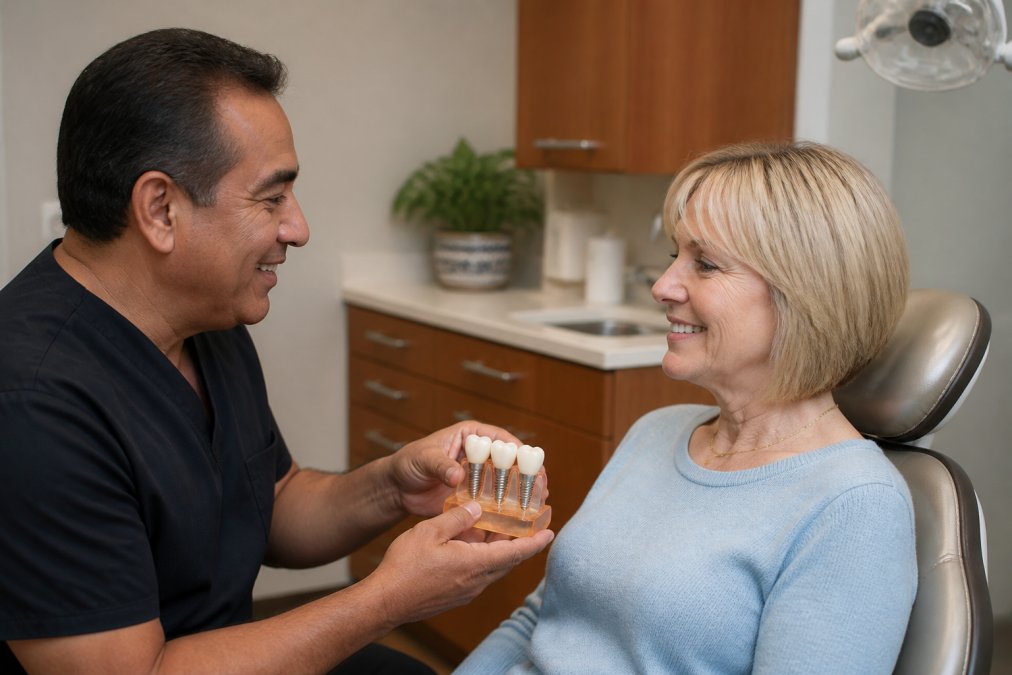
Dental implants are designed to be permanent, but the reality is nuanced. The titanium implant post can last 25 to 30 years or a lifetime with proper care, while the crown typically needs replacement every 10 to 15 years. Understanding this distinction matters for long-term planning.
At Osuna Dental Care in Albuquerque, one of the most common questions is: how long do dental implants last? The answer depends on oral hygiene habits, bone density, smoking status, and maintenance. For patients in Albuquerque, Rio Rancho, North Valley, and surrounding areas, knowing what to expect helps you decide if implants are right for you.
Implant Post vs. Crown: Understanding Longevity Differences
The confusion around how long dental implants last often stems from treating the implant as a single unit. In reality, you're dealing with two separate components, each with its own lifespan.
The implant post is the titanium screw anchored into your jawbone through osseointegration, where bone fuses with the implant surface over several months. This biocompatible titanium alloy can function for 25 to 30 years or longer with healthy bone and good oral hygiene.
The dental crown experiences constant chewing force and wear. Even with premium materials like zirconia or porcelain-fused-to-metal, crowns typically need replacement every 10 to 15 years. The abutment connector may also require adjustment or replacement.
For patients considering full mouth dental implants in Albuquerque, this distinction is critical. With an All-on-4 approach, you're investing in a long-term implant structure that serves for decades, though prosthetic teeth need periodic updates. Osuna Dental Care uses advanced 3D imaging to ensure precise placement for maximum success.
Dental Implant Maintenance Tips for Maximum Lifespan
How long do dental implants last depends heavily on post-placement care. The implant itself doesn't decay, but surrounding tissue and bone can deteriorate if neglected, causing peri-implantitis.
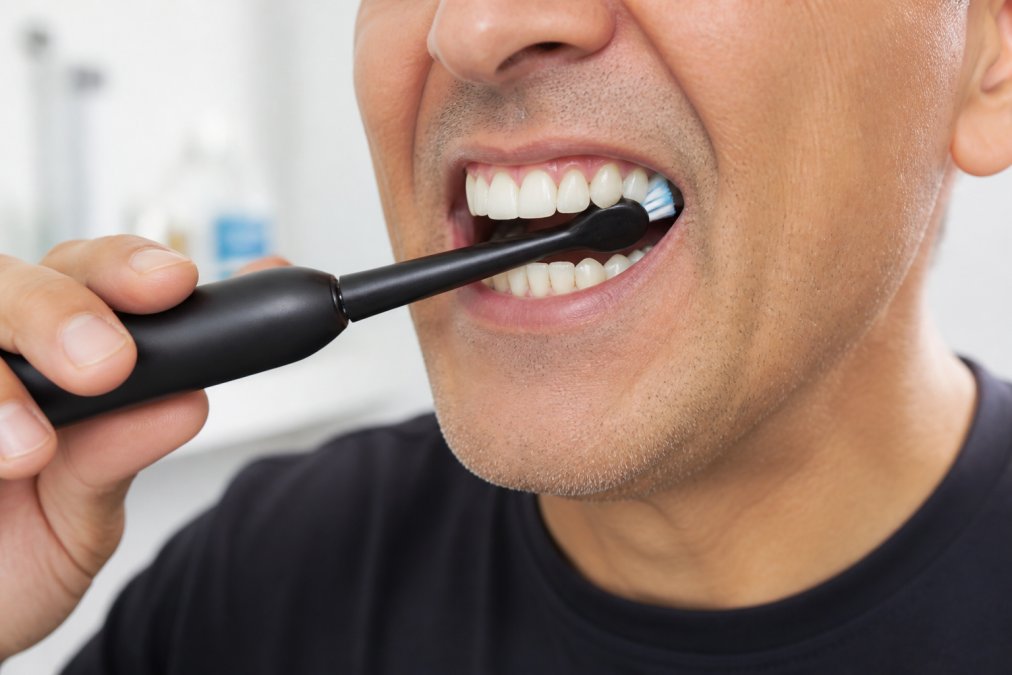
Brush twice daily with a soft-bristled toothbrush, being gentle around the implant site. Floss daily using unwaxed tape or implant-specific floss. A water flosser is effective for cleaning around the abutment and crown. Avoid abrasive toothpastes or whitening products that scratch the crown.
Visit your dentist every six months for cleaning and radiographic evaluation to monitor bone levels. Early detection of bone resorption or gum disease prevents complications. Osuna Dental Care, rated among the best dentists in Albuquerque by Google and local patients, recommends these checkups as part of comprehensive maintenance.
Avoid chewing ice, hard candy, or using teeth as tools. Wear a night guard if you grind your teeth, as bruxism accelerates bone loss. Smoking significantly accelerates bone loss, so cessation is one of the most impactful steps for longevity.
| Maintenance Task | Frequency | Impact on Longevity |
|---|---|---|
| Brushing with soft brush | Twice daily | Prevents plaque buildup and gum disease |
| Flossing or water flosser | Daily | Removes debris between implant and teeth |
| Professional cleaning | Every 6 months | Detects early bone loss and tissue issues |
| Radiographic evaluation | Annually or as recommended | Monitors implant stability and bone density |
| Night guard use (if grinding) | Every night | Reduces stress on implant structure |
Signs of Dental Implant Failure: What to Watch For
Implant failure is relatively uncommon, but early warning signs allow prompt intervention. Common causes are poor osseointegration, infection, or progressive bone loss.
Watch for persistent pain or swelling beyond the normal healing period (1-2 weeks post-surgery). Gum recession, visible darkening of the crown, or a loose restoration warrant immediate attention.
Infection manifests as redness, warmth, or discharge. Contact your dentist immediately if you notice pus or foul taste. Peri-implantitis can progress silently, so don't assume absence of pain means absence of problems. A clicking or shifting sensation indicates instability.
If an implant fails, removal is typically straightforward and bone heals within months. Replacement is often possible after assessment of bone density and health. Osuna Dental Care in Albuquerque has successfully managed complex implant replacement cases.
Factors That Affect How Long Dental Implants Last
Several variables influence whether your implant reaches 25 years or requires replacement sooner. Understanding these factors, especially how they interact with your age and health status, helps you set realistic expectations for long-term success.
Age and Bone Resorption Patterns
Your age at placement and jawbone resorption rate are significant predictors of implant longevity and long-term success.
Patients receiving implants in their 30s and 40s typically experience slower bone resorption and can expect 25 to 30+ years of function. Bone resorbs at roughly 0.4 to 0.5 millimeters per year in healthy patients with good hygiene, manageable over 25 years if adequate bone volume was present initially.
Patients aged 50 to 65 face moderate increases in resorption, especially with prior tooth loss or postmenopausal status. They can expect 20+ years of function but need more frequent professional monitoring.
Patients aged 70+ may experience faster bone loss (1+ millimeter per year) due to decades of tooth loss, osteoporosis, or medications, shortening functional lifespan to 15 to 20 years. However, many achieve excellent outcomes with adequate bone placement and rigorous care.
Bone Density and Quality
Bone density and health are foundational to implant success. Thin or compromised jawbone, osteoporosis, rheumatoid arthritis, or years of untreated tooth loss can reduce longevity.
Advanced imaging (CBCT) assesses bone density before placement, enabling optimal positioning. Implants in dense cortical bone integrate more reliably and experience slower resorption than those in softer trabecular bone.
Oral Hygiene Habits
Oral hygiene habits directly correlate with implant success. Rigorous daily cleaning and regular checkups achieve longer lifespans. Poor hygiene leads to gum disease and bone loss.
Smoking and Tobacco Use
Smoking is one of the most damaging factors to implant longevity. Smokers experience 2 to 3 times faster bone loss and higher failure rates. Nicotine constricts blood vessels, impairs healing, and suppresses immune function.
Quitting before surgery and remaining smoke-free substantially improves outcomes. Many patients find implant commitment motivates smoking cessation.
Overall Health and Medications
Uncontrolled diabetes, autoimmune conditions, and bone-metabolism medications can compromise integration. Well-controlled diabetes allows excellent outcomes, but HbA1c above 7% increases failure risk.
Bisphosphonates and immunosuppressants can affect bone healing.
Chewing Forces and Parafunctional Habits
Clenching or grinding (bruxism) places excessive stress on the restoration, accelerating wear and increasing bone resorption. A night guard extends crown and implant lifespan.
Implant Material and Design Advances
Modern titanium alloys and surface treatments promote faster osseointegration than earlier implants. Zirconia implants offer an alternative for metal sensitivities, though long-term data is still accumulating.
Full Mouth Dental Implants in Albuquerque: Long-Term Success
For patients missing multiple or all teeth, full mouth dental implants represent a transformative solution. The All-on-4 approach uses four implants to support a full arch with efficiency and proven results.
When to Replace a Dental Crown and What Happens After Implant Failure
Even with excellent care, crowns eventually need replacement. Signs include visible cracks, chronic chewing discomfort, or poor fit due to bone changes. Understanding the procedural reality is essential for planning.
Crown Replacement: Timeline and Process
Crown replacement is straightforward. Your dentist removes the old crown and fabricates a new one. The abutment connector may be replaced if deteriorated. The process takes a few appointments and is far less invasive than original surgery.
Warranty and Insurance Coverage: What to Expect
One of the most overlooked aspects of implant longevity planning is understanding what happens financially when replacement is needed. Most dental implant posts come with manufacturer warranties ranging from 10 to 25 years, though these typically cover defects in the implant hardware itself, not bone loss or complications from patient factors like poor hygiene or smoking.
What Happens If an Implant Post Fails
Implant post failure is rare, success rates exceed 95% in most patient populations, but when it occurs, the recovery path depends on the cause and extent of bone loss.
Frequently Asked Questions
How long do dental implants typically last compared to other tooth replacements?
Dental implants are designed to last 25+ years or longer with proper care, making them one of the most durable tooth replacement options available. The implant post itself, made from titanium alloy, has a success rate of 95-98% over 10 years. However, the dental crown attached to the implant typically lasts 10-15 years before needing replacement. This distinction matters: your implant foundation can last a lifetime, but the prosthetic crown may need updating. For patients in Albuquerque seeking long-term solutions, implants offer superior longevity compared to bridges or dentures, which typically require replacement every 5-10 years.
What are the most common signs of dental implant failure?
Signs of dental implant failure include persistent pain or discomfort, swelling or inflammation around the implant site, a loose implant that moves when you apply pressure, bleeding or pus from the gum tissue, and difficulty chewing. Peri-implantitis, an infection affecting the bone and tissue around the implant, is a leading cause of failure. Bone resorption, gradual loss of bone density, can also compromise the implant's stability. If you notice any of these warning signs, contact a dental professional immediately. Early intervention often prevents complete implant loss and allows for timely treatment or replacement.
What maintenance do dental implants require to last longer?
Dental implants require the same oral hygiene as natural teeth: brush twice daily with a soft-bristled toothbrush, floss or use an interdental cleaner daily, and rinse with antimicrobial mouthwash. Avoid smoking and excessive alcohol, as both impair healing and increase failure risk. Schedule regular checkups every six months so your dental professional can monitor bone health, soft tissue condition, and the integrity of your crown. Professional cleanings help prevent gum disease and peri-implantitis. Protect your implant from excessive chewing force by avoiding hard foods and grinding your teeth, a night guard helps if you clench. These habits directly extend the lifespan of both the implant post and crown.
Can dental implants be replaced if they fail?
Yes, failed implants can be replaced, but the process depends on why the implant failed and the condition of your bone. If bone loss is minimal, a new implant can often be placed in the same location after the failed implant is removed and the site heals. If significant bone resorption has occurred, bone grafting may be necessary before placing a replacement implant. The healing period typically takes 3-6 months. For patients in Albuquerque considering implants, understanding that replacement is possible, though it requires additional time and investment, helps with long-term planning. Your dental professional can assess your specific situation during a consultation.
