Blogs
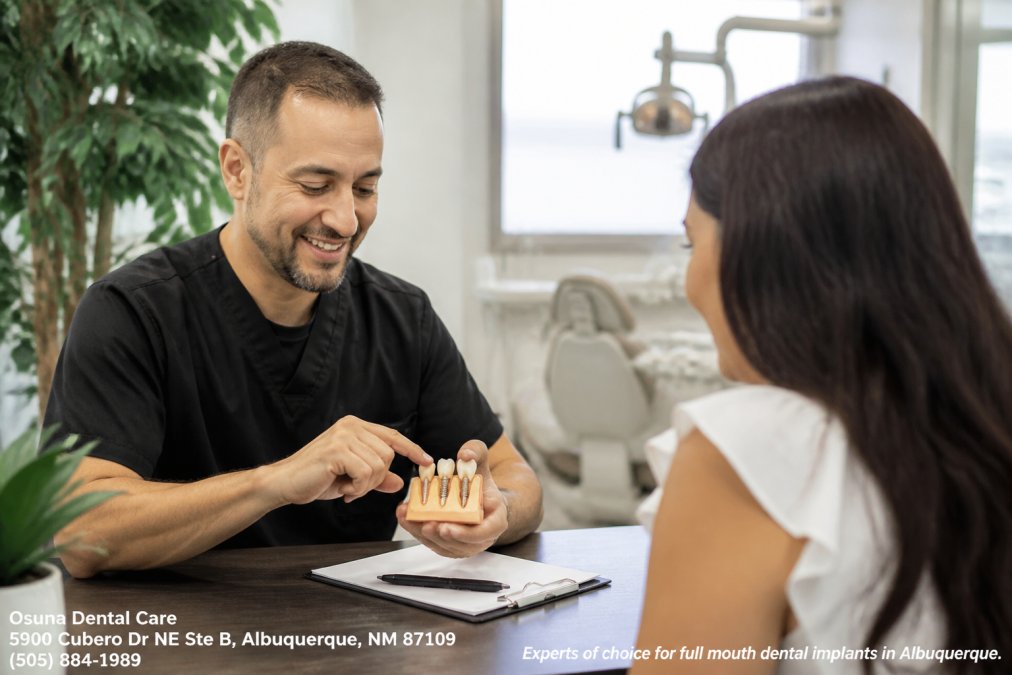
How Many Appointments for Dental Implants
Table of Contents
- How Many Appointments You'll Need for Dental Implants
- Stages of Dental Implant Surgery and Your Visit Schedule
- Dental Implant Procedure Timeline: What Affects Your Number of Visits
- Full Mouth Dental Implants in Albuquerque: Appointment Expectations
- Same-Day vs. Traditional Implant Timelines
- Post-Operative Check-Ups and Long-Term Care
- Preparing for Your Implant Appointments
- Conclusion
Last Updated: August 24, 2026
How Many Appointments You'll Need for Dental Implants
The number of appointments required for dental implants depends on several factors, but most patients need between three to five visits spread over several months. This timeline accounts for the multiple stages of the implant process: initial consultation, surgical implant placement, healing and osseointegration, abutment placement, and final crown delivery. Understanding what to expect at each stage helps you plan your schedule and set realistic expectations for your treatment journey.
At Osuna Dental Care in Albuquerque, our team uses advanced 3D imaging technology to simplify treatment planning and often complete efficient, well-coordinated appointments that minimize the total number of visits you'll need. Whether you're missing a single tooth or considering full mouth dental implants, knowing the appointment breakdown helps you make an informed decision about restoring your smile.
Stages of Dental Implant Surgery and Your Visit Schedule
Dental implant treatment follows a structured, multi-stage process. Each stage requires specific appointments spaced strategically to allow for proper healing and osseointegration, the biological process where the implant fuses with your jawbone. Understanding these stages gives you clarity on why the process takes time and why each appointment matters.
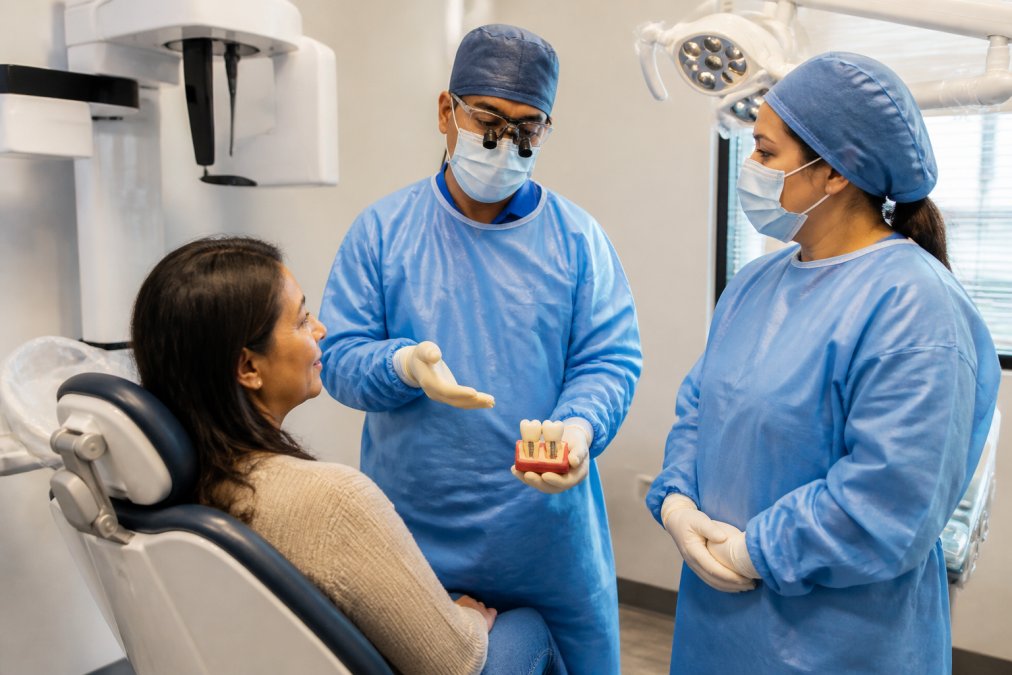
Stage 1: Consultation and Treatment Planning
Your first appointment is a comprehensive clinical evaluation. During this visit, your dentist performs a thorough oral examination, takes radiographs and a CT scan to assess your jawbone density and structure, and discusses your treatment goals. This stage typically requires one appointment lasting 45 minutes to an hour.
The consultation determines whether you're a suitable candidate for implants and identifies any complications, such as insufficient bone volume that might require bone grafting. Your dentist will also discuss the timeline specific to your case, review payment options, and answer questions about the procedure. This appointment establishes your treatment plan and gives you the information needed to move forward confidently.
If bone grafting is necessary, this may add one additional appointment before surgical placement can proceed. Bone grafting allows the surgical site to develop adequate volume for secure implant placement, typically requiring four to six months of healing before implant surgery can begin (the American Dental Association).
Stage 2: Surgical Implant Placement
Surgical implant placement is typically performed as an outpatient procedure under local anesthesia, sometimes combined with sedation for patient comfort. This appointment usually lasts 60 to 90 minutes, depending on the complexity of your case and whether you're having a single implant or multiple implants placed.
During this stage, your oral surgeon or periodontist carefully positions the titanium implant into the jawbone at the surgical site. Precise placement is critical for long-term success and natural-looking results. After placement, the surgical area is closed, and you'll receive detailed post-operative care instructions. Most patients experience mild to moderate discomfort for a few days following surgery, managed effectively with prescribed pain medication and ice application.
This is typically a single appointment, though complex cases involving multiple implants may occasionally require a second surgical session if implants are placed in different areas of the mouth.
Stage 3: Osseointegration and Healing
After surgical placement, your implant enters the osseointegration phase, during which the titanium implant fuses with your jawbone. This biological process typically takes three to six months, though some cases may require longer depending on bone quality and density (peer-reviewed research). During this healing period, you generally don't need in-office appointments, but your dentist may schedule one brief follow-up visit (around week two) to check the surgical site and ensure proper healing.
This stage is critical and cannot be rushed. The implant must achieve solid integration with the bone to support the restoration that will be placed later. Premature loading of the implant before osseointegration is complete can compromise the entire procedure, which is why this waiting period is essential.
Stage 4: Abutment Placement and Crown Delivery
Once osseointegration is complete, you'll return for abutment placement. The abutment is a connector piece that attaches the crown to the implant. This appointment typically lasts 30 to 45 minutes. Your dentist will uncover the implant, place the abutment, and take an impression for your custom crown.
Your final appointment involves placing the permanent crown or restoration on the abutment. This visit confirms proper fit, bite alignment, and aesthetics. Your prosthodontist will make any necessary adjustments to ensure your restoration looks natural and functions correctly with your bite. This appointment usually takes 30 to 60 minutes and completes your active implant treatment.
Dental Implant Procedure Timeline: What Affects Your Number of Visits
Several factors directly influence how many appointments you'll need and how long the entire process takes. Understanding these variables helps you plan realistically and discuss your specific situation with your dentist.
Bone health and density is the primary factor affecting appointment count. Patients with adequate bone volume typically follow the standard three to five appointment schedule. Those with insufficient bone density may require bone grafting, which adds one to two appointments and extends the overall timeline by four to six months while the graft integrates.
Single implant versus multiple implants affects scheduling. A single implant may require three appointments (consultation, placement, crown delivery), while multiple implants or full mouth dental implants may require four to five appointments due to the complexity of the surgical procedure and the need for more precise treatment planning.
Your healing response varies individually. Some patients experience faster osseointegration, potentially reducing the waiting period, while others may need the full timeline. Your dentist will monitor your healing and adjust the timeline accordingly during follow-up assessments.
Digital dentistry technology can reduce appointment count. Practices using 3D imaging and computer-guided implant placement often simplify the surgical process and improve accuracy, sometimes allowing same-day procedures or reducing the total number of visits needed.
Post-operative complications, though rare, can add appointments. Infection, improper healing, or bite issues may require additional visits to address and correct.
Full Mouth Dental Implants in Albuquerque: Appointment Expectations
For patients in Albuquerque, Rio Rancho, Placitas, North Valley, Uptown, and Nor Este seeking full mouth dental implants, the appointment schedule typically involves four to six visits over six to nine months. Full mouth restoration using All-on-4 implants is an efficient solution for patients with significant tooth loss, and Osuna Dental Care specializes in this advanced procedure as experts of choice for full mouth dental implants in Albuquerque.
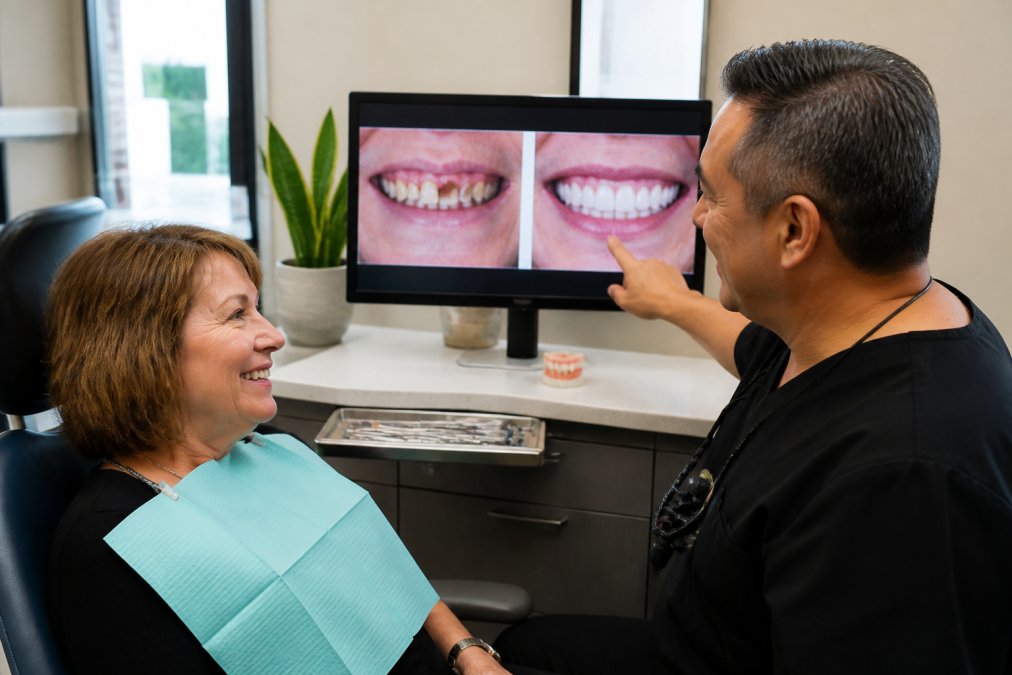
The All-on-4 approach uses four strategically placed implants to support a full arch of teeth, reducing the number of implants needed compared to traditional full mouth restoration. This technique often reduces the total number of appointments because multiple teeth are restored on fewer implants.
Osuna Dental Care is one of the top highly rated dentists across Google and multiple platforms, recognized by Albuquerque patients for delivering affordable, efficient full mouth implant solutions. Our team uses advanced 3D imaging and treatment planning to ensure precise implant placement and often completes the process with fewer appointments than traditional methods require. Contact us at (505) 884-1989 or visit our office at 5900 Cubero Dr NE Ste B, Albuquerque, NM 87109 to discuss your full mouth implant options.
Same-Day vs. Traditional Implant Timelines
Same-day dental implants represent a significant advancement in implant dentistry, though they're not suitable for every patient. Understanding the difference between same-day and traditional approaches helps you determine which option aligns with your needs and schedule.
Traditional implant timeline: Three to five appointments over four to nine months. This approach involves consultation, surgical placement, osseointegration waiting period, abutment placement, and crown delivery as separate visits. The extended timeline allows for thorough healing and precise restoration fabrication.
Same-day implants: Typically two to three appointments over one to two weeks. With same-day technology, your dentist places the implant and attaches a temporary crown during the same appointment. You leave with a functional restoration the same day. However, you'll still need follow-up appointments for adjustments and, eventually, placement of a permanent crown after osseointegration completes.
Same-day implants require specific candidacy criteria: adequate bone volume, good oral health, and precise surgical planning. Patients who need bone grafting are typically not candidates for same-day placement. The temporary crown allows you to function immediately while the implant integrates with your bone over the following months.
Many busy professionals in Albuquerque choose same-day options because they minimize time away from work. However, traditional implants may be more appropriate if bone grafting is necessary or if your bone density requires careful assessment before implant placement.
Post-Operative Check-Ups and Long-Term Care
After your implant restoration is complete, ongoing care ensures your implant remains healthy and functional for decades. Post-operative appointments and long-term maintenance are essential components of implant success.
Immediate post-operative follow-up typically occurs one to two weeks after surgical placement to assess healing and ensure no complications are developing. Your dentist examines the surgical site, removes any sutures if needed, and addresses any concerns.
Mid-healing assessment may occur around the three-month mark to monitor osseointegration progress, though this is often a brief check-in rather than a formal appointment.
Final restoration adjustments happen after your crown is placed. Your dentist checks bite alignment, makes any necessary adjustments, and ensures your restoration feels comfortable.
Long-term maintenance appointments should occur every six months, similar to routine dental cleanings and checkups. During these visits, your dentist monitors implant stability, checks for any signs of peri-implantitis (implant-related inflammation), and ensures your restoration remains in good condition. Professional cleaning around the implant helps prevent infection and extends implant longevity.
Annual comprehensive evaluation includes radiographs to assess bone levels around the implant and ensure the restoration remains secure. This monitoring catches potential issues early before they become serious problems.
Patients who maintain consistent six-month appointments and practice excellent home care typically enjoy implant success rates exceeding 95% over ten years or longer (peer-reviewed research).
Preparing for Your Implant Appointments
Proper preparation before each implant appointment improves outcomes and helps your dentist work efficiently. Understanding what to expect and how to prepare reduces anxiety and ensures you get the most from each visit.
Before your consultation appointment:
- Gather your complete dental and medical history
- List any medications you're taking, including supplements
- Write down questions or concerns about the implant process
- Arrange transportation if you'll receive sedation
- Plan to spend 60 to 90 minutes at the office
Before surgical placement:
- Follow all pre-operative instructions from your dentist regarding fasting and medication
- Wear comfortable, loose-fitting clothing
- Arrange for someone to drive you home if sedation is used
- Plan for rest and recovery time; most patients need two to three days of limited activity
- Stock your home with soft foods for the first week of healing
- Fill any prescribed pain medication before your appointment
Before abutment placement and crown delivery:
- Continue excellent oral hygiene around the implant area
- Avoid hard or sticky foods that might disturb the healing implant
- Maintain your regular brushing and flossing routine
- Arrive with a clean mouth for optimal impression accuracy
General preparation for all appointments:
- Brush and floss before arriving
- Avoid alcohol and tobacco for at least 24 hours before surgical procedures
- Get adequate sleep the night before
- Eat a light meal before your appointment (except before surgery)
- Allow extra time for parking and check-in
Conclusion
Most patients need three to five appointments for dental implants, spread over four to nine months depending on bone health, implant complexity, and whether bone grafting is required. Each appointment serves a specific purpose in the implant process: consultation and planning, surgical placement, healing monitoring, abutment placement, and crown delivery. Understanding this timeline helps you plan your schedule and maintain realistic expectations.
For Albuquerque patients seeking efficient, expert full mouth dental implant care, Osuna Dental Care combines advanced 3D imaging technology with three decades of experience to simplify your treatment. Our team specializes in affordable, efficient All-on-4 implants and has earned recognition as one of the top highly rated dentists in Albuquerque. Schedule your consultation today at (505) 884-1989 or visit us at 5900 Cubero Dr NE Ste B, Albuquerque, NM 87109 to learn how many appointments your specific case will require and begin your journey toward restored function and confidence.
Frequently Asked Questions
How many visits to the dentist for a dental implant?
Most patients need 3-5 appointments spread over 4-6 months for a single implant. The first appointment covers consultation and treatment planning with radiographs and CT scans. The second is surgical implant placement under local anesthesia. After 3-6 months of osseointegration (bone healing), you'll return for abutment placement. Finally, you'll visit for crown delivery and adjustments. Additional appointments may be needed if bone grafting is required or for post-operative check-ups.
What is the dental implant procedure timeline?
The complete dental implant procedure timeline typically spans 4-6 months for a single tooth. Initial consultation and planning takes 1-2 weeks. Surgical placement occurs at your second visit. The critical osseointegration period lasts 3-6 months while your jawbone fuses with the implant. Abutment placement and crown delivery happen after healing is confirmed. Full mouth dental implants in Albuquerque may follow a similar timeline or be accelerated with advanced techniques like All-on-4, which can sometimes be completed in fewer visits.
Will I be without teeth during the dental implant process?
Not necessarily. Your dentist can provide a temporary restoration or temporary crown to maintain your appearance and function while the implant heals. For full mouth dental implants, temporary teeth are typically placed immediately after surgery. This allows you to eat, speak, and smile normally during the osseointegration period. Once your jawbone has healed and integrated with the implant, the temporary restoration is replaced with your permanent crown or restoration.
What factors influence the number of appointments for dental implants?
Several factors affect how many appointments you'll need: bone density and health (bone grafting requires additional visits), number of teeth being replaced, whether you need pre-operative assessment or extractions, healing speed, and the specific implant technique used. Patients with existing bone loss may need bone grafting, adding 2-3 appointments. Digital dentistry and 3D imaging can improve efficiency. Your oral surgeon or prosthodontist will provide a personalized treatment plan based on your clinical evaluation and radiographs.
This article was written using GrandRanker
