Blogs
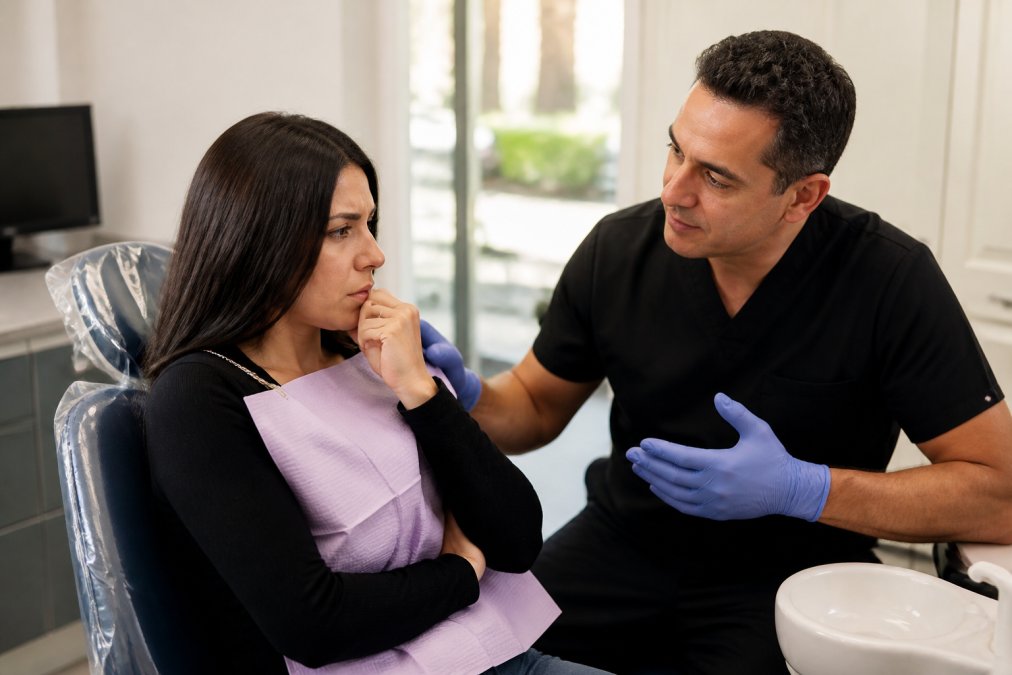
How to Manage Dental Anxiety: 7 Proven Techniques
Table of Contents
- Understanding Dental Anxiety and Fear
- How to Tell Your Dentist You Are Scared
- Relaxation Techniques to Calm Your Nerves
- Dental Sedation Options for Anxious Patients
- Preparing for Your Appointment: Before You Arrive
- Distraction and Sensory Management During Treatment
- Managing Anxiety After Your Dental Visit
- Emergency Dental Care in Albuquerque When Anxiety Strikes
Last Updated: August 27, 2026
Understanding Dental Anxiety and Fear
Dental anxiety affects millions of people, preventing them from seeking necessary care. At Osuna Dental Care in Albuquerque, we understand that fear of the dentist is a physiological response rooted in past experiences, fear of needles, loss of control, or unfamiliar environments. Common triggers include fear of pain, dental tool sounds, judgment concerns, or treatment costs. Recognizing your specific trigger is the first step toward addressing it.

How to Tell Your Dentist You Are Scared
Your dentist can't help manage anxiety if they don't know it exists. Here's how to communicate effectively:
-
Be specific about what frightens you. Instead of saying "I'm nervous," explain exactly what triggers your anxiety, the needle, the drill sound, or feeling unable to move.
-
Mention past dental trauma if it applies. If you've had a painful experience or dismissive dentist, share this context so your provider can adjust their approach.
-
Discuss your need for control. Ask if your dentist uses a "stop signal", a raised hand or gesture that tells them to pause immediately.
-
Ask about sedation options upfront. Bring this up during your initial consultation, not during the appointment, so your dentist can prepare.
-
Request a treatment plan walkthrough. Ask your dentist to explain exactly what will happen, step by step, before starting any procedure.
The team at Osuna Dental Care, located at 5900 Cubero Dr NE Ste B in Albuquerque, specializes in working with anxious patients. We've been serving Albuquerque and surrounding areas including Rio Rancho, Placitas, North Valley, Uptown, and Nor Este, and our experience shows that open communication builds trust.
Relaxation Techniques to Calm Your Nerves
Relaxation techniques reduce heart rate, lower cortisol, and activate your parasympathetic nervous system, counteracting the fight-or-flight response triggered by anxiety (peer-reviewed research).
Deep Breathing Exercises
The 4-7-8 technique is particularly effective before dental appointments:
- Breathe in slowly through your nose for a count of 4.
- Hold the breath for a count of 7.
- Exhale slowly through your mouth for a count of 8.
- Repeat 4-5 times.
This technique activates the vagus nerve, directly reducing stress (peer-reviewed research). Practice it the night before your appointment and again in the waiting room. Focusing on your breathing gives you something to control during the procedure, reducing the sense of helplessness that fuels dental anxiety.
Progressive Muscle Relaxation
Progressive muscle relaxation teaches your nervous system the difference between tension and relaxation. Starting with your feet, tense muscles for 5 seconds, then release and notice the sensation. Move up through your calves, thighs, abdomen, chest, arms, shoulders, neck, and face, spending 30-60 seconds on each group. Complete the full cycle 2-3 times before your appointment. During your dental visit, you can use a simplified version, mentally scanning your body and consciously releasing tension.

Guided Imagery and Mindfulness
Guided imagery redirects your mind toward a place of safety and calm. Before your appointment, spend 10 minutes visualizing a place where you feel completely relaxed, a beach, forest, or anywhere meaningful to you. Engage all your senses. During your appointment, you can return to this mental space. Some patients find it helpful to listen to guided imagery audio through headphones during the procedure.
Mindfulness keeps you present but observing your thoughts and sensations without judgment. If anxiety arises, notice it without fighting it: "I'm having the thought that this will hurt" rather than "This will hurt." This subtle shift reduces the emotional charge of anxious thoughts.
Dental Sedation Options for Anxious Patients
For patients with severe dental anxiety, sedation dentistry makes treatment possible. Sedation options range from mild to deep, and your dentist will recommend the appropriate level for your anxiety and procedure complexity.
Nitrous oxide (laughing gas) is the mildest option. You inhale a mixture through a mask, and within minutes, you feel relaxed and slightly euphoric. You remain conscious and can respond to your dentist. The effect wears off immediately after the mask is removed, so you can drive yourself home (the American Dental Association). Nitrous oxide is ideal for patients with moderate anxiety or routine procedures.
Oral sedation involves taking a medication before your appointment. You arrive drowsy and remain conscious but deeply relaxed throughout the procedure. Time seems to pass quickly, and many patients have little memory of the appointment. You'll need someone to drive you home. managing anxiety without insurance.
Conscious sedation (IV sedation) is administered through an IV line and provides deeper relaxation than oral medication. You're awake but in a twilight state, aware of your surroundings but not anxious or in pain. This option is often used for longer or more complex procedures. Like oral sedation, you'll need a driver and recovery time.
At Osuna Dental Care, our team has extensive experience with sedation dentistry for anxious patients throughout Albuquerque and surrounding communities. We're rated among the top highly-rated dentists across Google and multiple platforms by Albuquerque patients, and our gentle approach ensures you receive the care you need without unnecessary stress.
Preparing for Your Appointment: Before You Arrive
Preparation reduces the unknown, which is often the biggest source of anxiety.
Schedule strategically. Book your appointment at a time when you're least stressed. Many patients do better with morning appointments before anxiety builds throughout the day.
Get adequate sleep the night before. Sleep deprivation amplifies anxiety and reduces your ability to cope with stress. Aim for 7-9 hours so your nervous system is resilient.
Eat a light meal before your appointment. Low blood sugar increases anxiety. Eat something with protein and complex carbs 1-2 hours before your visit, but avoid heavy meals if you're receiving sedation.
Limit caffeine. Caffeine increases heart rate and jitteriness, amplifying anxiety. Skip your usual coffee or energy drink on the day of your appointment.
Arrive early. Plan to arrive 10-15 minutes early so you can settle into the waiting room and mentally prepare without feeling rushed.
Bring a comfort item if allowed. Ask ahead if you can hold a stress ball or fidget device during procedures. Having something to do with your hands can reduce anxiety significantly.
Use your relaxation techniques. Practice deep breathing or progressive muscle relaxation in the waiting room to prime your nervous system for calm.
Distraction and Sensory Management During Treatment
Sensory distraction keeps your mind occupied during dental work, preventing panic triggered by sounds, sensations, and sights.
Ask about headphones and music. Many dental offices allow patients to listen to music, podcasts, or guided meditation through headphones during treatment. This masks the sound of dental tools, a major anxiety trigger.
Request a visual distraction. Some offices have ceiling-mounted screens showing nature scenes or movies. Focusing on the screen occupies your visual attention and reduces awareness of what's happening in your mouth.
Use hand signals for control. Establish a signal with your dentist, typically a raised hand, that means "pause for a moment." Knowing you can stop the procedure at any time reduces the sense of helplessness that fuels dental anxiety.
Ask for frequent breaks. Even if you don't need them, knowing you can request a break reduces anxiety. Your dentist can pause periodically to let you rinse, breathe, and reset.
Focus on your breathing. Even during treatment, slow, deliberate breathing keeps your nervous system calm and gives your mind something to focus on besides the procedure.
Managing Anxiety After Your Dental Visit
Post-appointment anxiety is common, especially after procedures that triggered fear. Managing this phase prevents anxiety from escalating before your next visit.
Allow yourself recovery time. If you received sedation, rest for several hours and avoid driving or making important decisions. Even without sedation, your nervous system has been activated, so take it easy for the rest of the day.
Acknowledge your accomplishment. You showed up despite your fear. That took courage. Recognizing this reinforces positive behavior and makes future appointments feel less daunting.
Process any difficult emotions. If the appointment was harder than expected, allow yourself to feel and process those emotions. Suppressing them can intensify anxiety before your next visit.
Avoid catastrophizing about future appointments. Your brain may try to convince you that next time will be worse. Recognize this as anxiety talking, not truth. Each appointment is separate, and your coping skills improve with practice.
Schedule your next appointment before you leave. This prevents avoidance behavior and reinforces that dental care is part of your routine, not a crisis event.
Reward yourself appropriately. A small acknowledgment, a favorite meal, time with a friend, or an activity you enjoy, can help your brain associate dental visits with positive outcomes.
Emergency Dental Care in Albuquerque When Anxiety Strikes
Sometimes dental anxiety is triggered by a genuine emergency: severe pain, a broken tooth, or an infection. When you're in pain and anxious simultaneously, your ability to cope is compromised.
What qualifies as a dental emergency:
- Severe tooth pain that interferes with eating or sleeping
- A knocked-out tooth
- A cracked or broken tooth with exposed nerve
- Swelling in the jaw or face suggesting infection
- Uncontrolled bleeding from the mouth
- An object lodged between teeth that you can't remove
What to do if you're in pain and anxious:
- Call your dentist immediately, even outside regular hours.
- If you can't reach your regular dentist, seek care at an emergency dental clinic.
- Use over-the-counter pain relief as directed while waiting for your appointment.
- Apply ice to the outside of your cheek if there's swelling.
- Avoid extremely hot or cold foods and hard foods that might worsen the problem.
- Tell the emergency dentist about your anxiety upfront so they can adjust their approach and consider sedation if appropriate.
Osuna Dental Care, located at 5900 Cubero Dr NE Ste B in Albuquerque, has been serving the community and is recognized as one of the top highly-rated dentists across Google and multiple platforms by Albuquerque patients. Our team specializes in gentle, efficient care for anxious patients and is expert in restorative procedures including root canals, which many anxious patients fear unnecessarily. We understand that dental emergencies are stressful, and we're committed to providing compassionate care that addresses both your pain and your anxiety. For patients facing more complex tooth loss, we're also experts of choice for full mouth dental implants in Albuquerque, offering affordable and efficient solutions that restore your smile and confidence.
Managing dental anxiety is entirely possible with the right techniques, support, and dental provider. Whether you use breathing exercises, sedation, distraction, or a combination of approaches, the goal is to make dental care accessible and less frightening. If you're in Albuquerque or surrounding areas like Rio Rancho, Placitas, North Valley, Uptown, or Nor Este and you've been avoiding the dentist because of anxiety, contact Osuna Dental Care at (505) 884-1989. Our experienced team has helped hundreds of anxious patients receive the care they need in a comfortable, judgment-free environment. Your oral health matters, and you deserve a dentist who understands your fears and knows how to help you overcome them.
Frequently Asked Questions
How do I stop having anxiety about my teeth?
Dental anxiety often stems from fear of pain, loss of control, or past negative experiences. Start by identifying your specific trigger, is it the sound of tools, the sensation, or something else? Once you know what frightens you, you can address it directly. Communication with your dentist is essential; let them know your fears upfront. Relaxation techniques like deep breathing and progressive muscle relaxation can calm your nervous system before and during appointments. For severe anxiety, ask about sedation options like nitrous oxide, which can help you feel more relaxed during treatment. Osuna Dental Care specializes in working with anxious patients and uses gentle techniques to make the experience comfortable.
What are the most effective sedation options for dental anxiety?
Several sedation options exist depending on your anxiety level and the procedure. Nitrous oxide (laughing gas) is mild and wears off quickly, allowing you to drive home the same day. Oral sedatives can be taken before your appointment to reduce anxiety throughout the visit. Deeper sedation options are available for patients with severe dental phobia or complex procedures. Your dentist will evaluate your health history and anxiety level to recommend the safest choice. At Osuna Dental Care, our team discusses all sedation options during your consultation so you can choose what feels right for you.
Is it normal to have severe dental anxiety?
Yes, dental anxiety is very common. Many people experience some level of nervousness about dental visits, and a significant portion have enough fear to delay or avoid care entirely. This avoidance behavior can lead to more serious oral health problems over time. The good news is that dental anxiety is treatable and manageable. Dentists are trained to recognize and work with anxious patients using patient-centered care techniques. You're not alone in this fear, and seeking help is the first step toward overcoming it and protecting your oral health.
How can I find emergency dental care in Albuquerque if my anxiety becomes overwhelming?
If you're experiencing a dental emergency and anxiety is preventing you from seeking care, call ahead and explain your situation. Many practices, including Osuna Dental Care at (505) 884-1989, can prioritize anxious patients and may offer immediate sedation options. Describe your symptoms clearly so the dental team can prepare appropriate pain management and anxiety-reduction strategies. Having a trusted dentist before an emergency occurs makes it easier to reach out when you need help. Osuna Dental Care has served the Albuquerque community for over 30 years and is experienced in handling both emergencies and patient anxiety with compassion and efficiency.
This article was written using GrandRanker
