Blogs
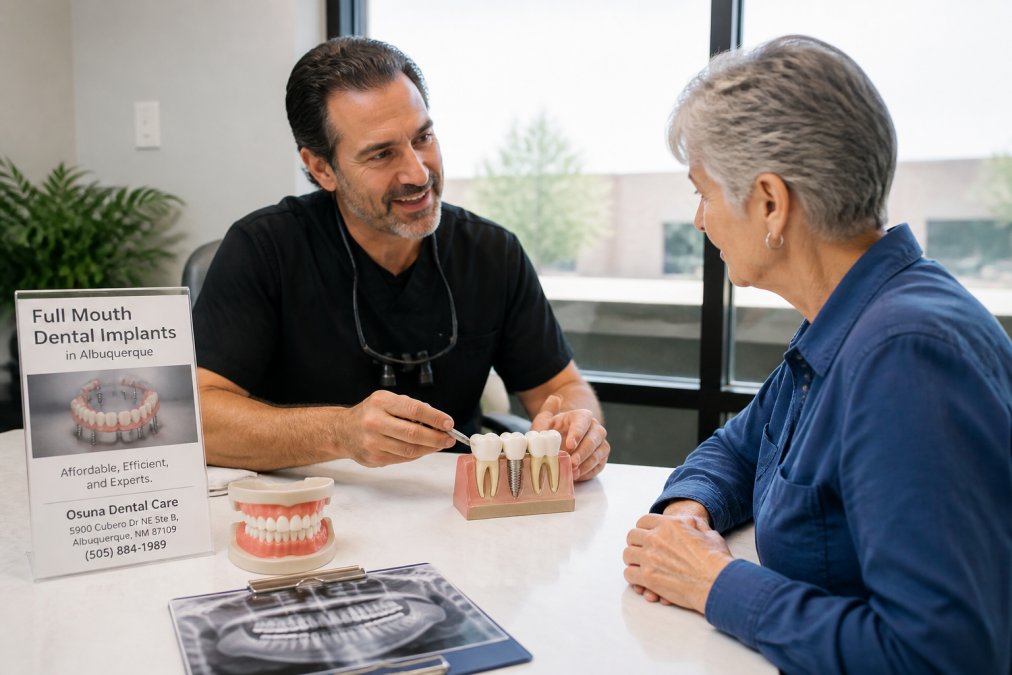
How to Prepare for Dental Implant Surgery
Table of Contents
- Understanding Dental Implant Surgery and Why Preparation Matters
- Pre-Operative Dental Examination and Imaging
- Financial and Insurance Pre-Authorization
- Medication Adjustments and Medical History Review
- How Long Does Dental Implant Surgery Take and What to Expect
- Practical Logistics: Fasting, Transportation, and Recovery Space
- Dental Implant Recovery Tips and What to Eat After Dental Implant Surgery
- Psychological Preparation and Managing Dental Anxiety
- Frequently Asked Questions
Last Updated: September 2, 2026
Understanding Dental Implant Surgery and Why Preparation Matters
Preparing for [dental implant surgery](/blog/is-dental-implant-surgery-painful) involves careful planning across medical, financial, and logistical fronts to ensure the best possible outcome and smooth recovery. At Osuna Dental Care in Albuquerque, we've guided many patients through this process. The difference between those who experience straightforward recovery and those who encounter complications often comes down to preparation. When you understand what's coming and plan accordingly, you reduce anxiety, minimize post-operative discomfort, and set yourself up for successful osseointegration, the process where your jawbone fuses with the implant to create a permanent foundation for your new tooth.
This guide walks you through everything you need to do before your surgery date: the dental examination process, financial planning, medication management, what to expect during the procedure, and practical steps for creating a recovery environment at home.
Pre-Operative Dental Examination and Imaging
Your pre-operative dental examination is the foundation of your entire treatment plan. During this appointment, your dentist will assess your oral health, evaluate your jawbone density, and determine whether you're a good candidate for implants. This comprehensive evaluation informs every decision made during surgery.
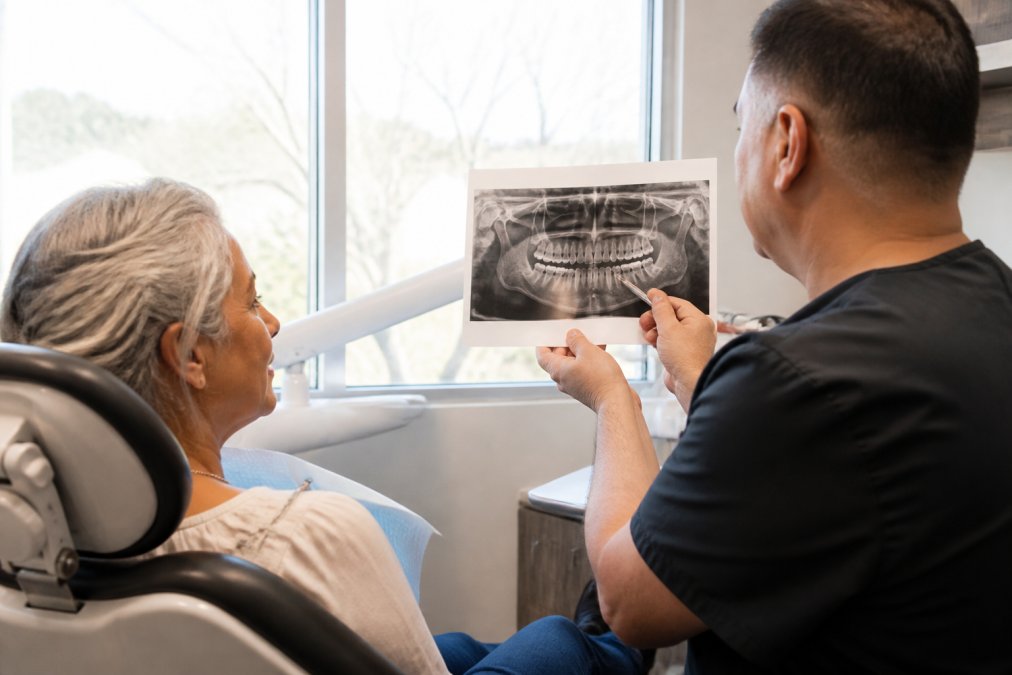
A thorough examination includes a review of your medical history, current medications, and previous dental work. Your dentist will look for signs of gum disease, tooth decay, or bone loss that might affect implant success. If you have periodontal disease, it must be treated before implant surgery, as infection compromises the surgical site and prevents proper healing.
Panoramic X-rays and CT scans provide detailed images of your jawbone structure, showing bone height, width, and density, critical information for determining implant placement and whether bone grafting is necessary. If your jawbone has experienced significant resorption from missing teeth, your dentist may recommend bone grafting before implant placement.
If you have diabetes, cardiovascular disease, or take medications that affect healing, your dentist may request blood work or clearance from your physician. This coordination between your dental and medical teams prevents complications during and after surgery.
Financial and Insurance Pre-Authorization
Dental implant treatment represents a significant investment in your oral health. Before scheduling surgery, contact your dental insurance company to understand your coverage. Most insurance plans cover a portion of implant treatment, though coverage varies widely based on your specific policy.
Request a detailed estimate from your dentist that breaks down the costs of each phase: surgical placement, abutment, and crown. Ask specifically what your insurance will cover and what you'll pay out of pocket. Pre-authorization from your insurance company is crucial, submit the treatment plan and supporting documentation before your surgery date. This prevents unexpected denials and gives you clarity on your financial responsibility.
Many dental practices offer financing plans for patients without adequate insurance coverage. Ask whether your dentist works with third-party financing companies that offer flexible payment terms.
Medication Adjustments and Medical History Review
Your medications and medical conditions directly affect how your body heals after implant surgery. Schedule a consultation with your primary care physician at least two weeks before surgery to review your medication list and discuss any necessary adjustments.
Blood thinners like warfarin or apixaban require special consideration. Your physician may recommend stopping these medications a few days before surgery and resuming afterward. Never stop taking blood thinners without explicit medical guidance. Your surgical team will coordinate with your physician on the best approach for your situation.
Bisphosphonate medications, commonly prescribed for osteoporosis, require disclosure to your dentist (peer-reviewed research). These medications affect bone metabolism and, in rare cases, can lead to osteonecrosis of the jaw if dental surgery is performed without proper precautions. Your dentist will take appropriate measures during surgery and monitor healing closely.
Diabetes affects healing and increases infection risk. If you have diabetes, work with your endocrinologist to achieve stable blood sugar levels before surgery. Similarly, if you have cardiovascular disease, hypertension, or autoimmune conditions, ensure these are well-managed before your procedure.
Provide your dentist with a complete list of all supplements and over-the-counter medications you take. Certain supplements like ginseng, ginkgo biloba, and fish oil can increase bleeding risk. Your dentist will advise which supplements to stop before surgery and when to resume them after healing begins.
How Long Does Dental Implant Surgery Take and What to Expect
Understanding the timeline and procedure itself reduces anxiety and helps you prepare mentally. How long does dental implant surgery take varies based on whether you're placing a single implant or multiple implants, and whether bone grafting is necessary. A single implant typically takes 45 to 90 minutes, while full mouth implants like All-on-4 procedures may take 3 to 4 hours.
Your surgical appointment begins with local anesthesia or sedation dentistry to ensure you remain comfortable throughout the procedure. Your dentist will make an incision in your gum tissue to access the jawbone, then carefully create a space for the implant using specialized instruments. The implant, a small titanium post, is then inserted into the jawbone to serve as the artificial tooth root.
After implant placement, your dentist closes the incision with sutures. Over the next several months, your jawbone integrates with the titanium implant, creating a stable foundation through osseointegration. This healing process cannot be rushed, and attempting to place a crown before adequate osseointegration will compromise the implant's long-term success.
For patients considering All-on-4 implants to restore a full arch of missing teeth, the procedure is more involved but often completed in a single day. At Osuna Dental Care in Albuquerque, we are the experts of choice for affordable, efficient full mouth dental implants and can discuss whether this approach is right for your situation.
After surgery, expect some swelling, bruising, and discomfort. This is normal and typically peaks around day two or three before gradually improving. Your dentist will prescribe pain medication and provide detailed post-operative instructions. (Source: Centers for Disease Control and Prevention (CDC) recommendations)
Practical Logistics: Fasting, Transportation, and Recovery Space
The day of surgery requires careful planning beyond the medical procedure itself. Fasting guidelines depend on the type of anesthesia you'll receive. If you're receiving sedation dentistry, you'll typically need to fast for 6 to 8 hours before your appointment.

Arrange transportation before your surgery date. You cannot drive yourself home after sedation or local anesthesia, as these medications impair judgment and reaction time. Ask a trusted friend or family member to pick you up and stay with you for the remainder of the day.
Prepare your recovery space at home before surgery day. Set up a comfortable area with extra pillows to keep your head elevated, which reduces swelling. Gather supplies you'll need: ice packs, soft washcloths, pain medication, prescribed antibiotics, and a water bottle.
Stock your kitchen with soft foods before surgery. You'll be eating soft foods for at least a week, and having options ready prevents frustration when you're uncomfortable and hungry. Plan meals that require minimal preparation.
Arrange time off work. Most patients need at least 3 to 5 days away from work, particularly if your job involves physical labor, heavy lifting, or strenuous activity. Discuss with your employer in advance so coverage can be arranged.
Dental Implant Recovery Tips and What to Eat After Dental Implant Surgery
Your post-operative recovery sets the stage for successful osseointegration. What to eat after dental implant surgery matters significantly because you need adequate nutrition while protecting the surgical site from hard foods and chewing pressure.
For the first 24 hours, stick to cold foods and beverages. Ice cream, yogurt, and smoothies are soothing and reduce swelling. Avoid using a straw, as the suction can dislodge blood clots and delay healing. After 24 hours, gradually introduce soft, cool foods: mashed potatoes, applesauce, scrambled eggs, and soft cheese.
By day three or four, you can begin incorporating lukewarm foods. Soups, oatmeal, and well-cooked vegetables become options. Avoid anything hot, spicy, crunchy, or sticky. Continue eating soft foods for at least 7 to 10 days, depending on your healing progress.
Oral hygiene is critical but must be approached carefully. Do not brush or floss the surgical area for at least one week. Your dentist will provide a special antimicrobial rinse to use instead. After one week, you can gently rinse with warm salt water several times daily to promote healing and prevent infection.
Swelling typically peaks around day two or three. Continue applying ice packs for the first 48 hours: 20 minutes on, 20 minutes off. After 48 hours, switch to heat if swelling persists. Avoid strenuous activity and heavy lifting for at least one week.
Pain management usually involves over-the-counter pain relievers for the first few days, supplemented with prescription medication if needed. Take medication as directed, not just when pain becomes severe. Staying ahead of pain is easier than catching up once it's intense.
Follow-up appointments are essential. Your dentist will remove sutures around one week after surgery and check your healing progress. Subsequent appointments monitor osseointegration and ensure no complications are developing.
Psychological Preparation and Managing Dental Anxiety
For many patients, the psychological aspect of implant surgery is as important as the physical preparation. Dental anxiety is common, and acknowledging it allows you to address it proactively. Many patients report that the anticipation is worse than the actual procedure.
Understanding what to expect reduces fear. Ask your dentist detailed questions about the procedure. Knowing you'll feel pressure but not pain, hearing about the sounds and sensations you'll experience, and understanding the timeline all contribute to feeling more in control.
Sedation dentistry is an option if anxiety is severe. Discuss sedation options with your dentist well in advance during your pre-operative consultation, not the day of surgery.
Relaxation techniques help manage anxiety before and after surgery. Deep breathing exercises, meditation, or guided imagery can calm your nervous system. Some patients find it helpful to listen to calming music or podcasts during the waiting period before surgery.
Consider the emotional impact of tooth loss and implant restoration. For many patients, implants represent reclaiming their smile and confidence. Acknowledging this journey and celebrating the decision to restore your teeth is part of the psychological preparation.
Osuna Dental Care is one of the Top Highly rated dentist across Google and multiple platforms and rated best by Albuquerque patients. Our team understands that patient comfort extends beyond physical pain management. With over 30 years of experience serving the Albuquerque community, including Rio Rancho, Placitas, North Valley, Uptown, and Nor Este, we've helped countless patients successfully navigate implant surgery and achieve beautiful, functional smiles.
Preparing for dental implant surgery is a multi-faceted process that extends far beyond the day of your procedure. By addressing your dental health, financial planning, medications, and psychological readiness, you position yourself for the best possible outcome. The investment you make in preparation directly influences your comfort during recovery and the long-term success of your implants. If you're ready to take the next step toward restoring your smile with dental implants, contact Osuna Dental Care at (505) 884-1989 or visit us at 5900 Cubero Dr NE Ste B, Albuquerque, NM 87109. Our experienced team specializes in affordable, efficient full mouth dental implants and is ready to guide you through every step of your restoration journey.
Frequently Asked Questions
Q: What should you avoid doing before dental implant surgery?
A: Avoid smoking and tobacco products for at least one week before surgery, as they impair healing and increase infection risk. Do not consume alcohol for 48 hours prior. Skip blood-thinning medications like aspirin unless your dentist approves continued use. Avoid strenuous exercise and heavy lifting for several days before surgery. Do not eat or drink after midnight the night before your procedure, following your surgeon's fasting guidelines. Arrive well-rested and avoid scheduling the surgery during high-stress periods in your life.
Q: How long is the recovery process for dental implants?
A: Initial healing takes about 7-10 days, during which swelling and discomfort gradually decrease. However, complete osseointegration, where the implant fuses with your jawbone, typically takes 3-6 months. During this time, you'll have follow-up appointments to monitor healing. Most patients return to normal activities within two weeks, though strenuous activity should be avoided for at least one week. Full restoration of chewing function occurs after the final abutment and crown placement, which happens after osseointegration is complete.
Q: How painful is a dental implant procedure?
A: The procedure itself is not painful because local anesthesia numbs the surgical site completely. You may feel pressure and vibration during surgery, but not pain. Most patients report the experience is less uncomfortable than they expected. After surgery, you'll experience post-operative discomfort, typically managed with prescribed pain medication and ice pack application, which is usually mild to moderate and decreases significantly after the first few days. Your dentist will provide pain management instructions tailored to your needs.
Q: What are the most important steps to take before your implant appointment?
A: Schedule a comprehensive pre-operative dental examination and obtain dental imaging, including panoramic x-rays or CT scans, to assess jawbone density and implant placement. Review all medications with your dentist and arrange any necessary adjustments. Complete insurance pre-authorization to understand coverage and costs. Arrange reliable transportation since you cannot drive immediately after sedation. Prepare your recovery space at home with soft foods, ice packs, and comfortable bedding. Obtain written pre-operative instructions from your surgeon and follow fasting guidelines strictly. Plan time off work, most patients benefit from 3-5 days of reduced activity.
This article was written using GrandRanker
