Blogs
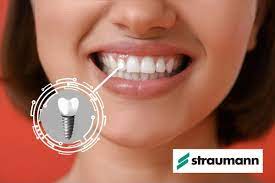
The Real Cost of Dental Implants: What Patients Don’t See on the Price Tag
The Real Cost of Dental Implants: What Patients Don’t See on the Price Tag
When people begin researching dental implants, one question rises above all others: Why do implants cost so much—and why does the price vary so widely between dentists? For many Albuquerque patients, the range can feel overwhelming. One office quotes $1,500, another quotes $4,000, and a billboard on the freeway advertises “$999 implants.” When the numbers swing this dramatically, patients naturally wonder what’s real, what’s safe, and where the hidden risks might be.
But implant pricing is not random, and it’s rarely about a simple number on a website. The “cost” of a dental implant is actually a combination of surgical science, materials, advanced technology, long-term predictability, and clinical judgment. The implant itself—the titanium post—may be one line item, but it represents only a fraction of the complete treatment that leads to a stable, functional, long-lasting tooth.
At Osuna Dental Care, we frequently meet patients who have delayed treatment because they assumed they needed the cheapest option, not realizing how implants differ from practice to practice. We also meet patients who chose a low-cost provider first, only to discover they needed corrective work later—ultimately costing more time, money, and comfort.
This blog breaks down the real anatomy of implant pricing to help patients understand what they are paying for, where shortcuts often hide, and how investing appropriately on the front end prevents expensive problems later. The goal isn’t to sell implants—it’s to demystify them, so people can make decisions based on clarity and confidence, not confusion.
What an Implant “Actually Is”: Beyond the Titanium Post
When most patients think of a dental implant, they picture the titanium screw placed in the jaw. But an implant is actually a three-part replacement tooth:
The implant post — acts as the root
The abutment — the connector
The crown — the visible tooth
These components may be priced separately or combined. More importantly, the cost of placing these components varies dramatically based on expertise, technology, and long-term planning.
For example, an implant placed with advanced digital planning—using CBCT imaging and guided surgical software—has higher upfront costs for the practice but provides safer, more accurate outcomes for patients. You can learn more about our 3D planning technology here:
https://osunadentalcare.com/3d-x-ray-/-cbct-in-albuquerque-nm
When comparing implant prices, understanding which planning and placement methods are being used is essential.
The Materials: Not All Implants Are Created Equal
There are over 200 implant brands sold in the U.S. Some cost hundreds of dollars; others cost as little as $30. While all are technically “implants,” the differences matter.
Premium Implant Systems
These brands invest heavily in:
surgical precision
surface technology that improves healing
long-term research
predictable integration
compatibility with restorative components
Premium systems also guarantee availability of parts years later.
Low-Cost Implant Systems
Lower-cost options may:
lack long-term studies
have limited component compatibility
require custom workarounds later
lead to higher costs if parts break, wear, or become unavailable
This is one reason “cheap implants” become expensive over time. If a component fails and the system has no replacement parts, the entire implant may need to be removed.
When you see a deeply discounted implant price, it often reflects the use of low-cost systems—not the true cost of implant dentistry.
Surgical Expertise: The Most Invisible Part of the Price
A large portion of implant cost is based on the skill and training of the clinician. Placing implants requires not only precision but also an understanding of:
bone density
angulation
anatomical risk zones
esthetic zones
biomechanics
occlusion (your bite)
long-term load distribution
A poorly angled implant may fuse successfully—but still fail later because the bite force overloads the crown or the bone supporting it. These failures are not “bad luck”—they are consequences of technique.
At Osuna Dental Care, we routinely restore cases where implants were placed too shallow, too deep, too angled, or too close together. The implant “integrated,” but the engineering behind the restoration was flawed. These corrective cases often involve more cost, more recovery time, and more complexity than placing the implant correctly the first time.
To learn more about our implant restoration process, explore our dedicated implant pages:
https://osunadentalcare.com/dental-implants
https://osunadentalcare.com/dental-implants-in-albuquerque
Digital Planning: The Modern Foundation of Predictable Implants
Traditionally, implant placement relied heavily on freehand technique. Skilled surgeons could achieve excellent results this way, but outcomes varied.
Today, digital planning has transformed implant dentistry.
Digital workflows include:
3D imaging (CBCT)
digital models
nerve mapping
bone quality analysis
virtual implant positioning
surgical guides
This approach reduces risks such as:
nerve injury
sinus perforation
poor implant angulation
crown complications
Digital workflows cost more to implement at the practice level, which is why some offices skip them. But the accuracy they provide often prevents expensive complications later.
If an office includes digital planning in their pricing, the implant may cost more—but the value is exponentially greater.
The Hidden Work: What You Don’t See During Treatment
Dental implants appear straightforward: place the implant, wait for it to heal, attach a crown. But behind the scenes, clinicians spend hours reviewing, planning, and evaluating each case.
The “invisible” part of implant dentistry includes:
reviewing 3D scans
diagnosing bone thickness and sinus height
evaluating bite dynamics
designing the implant position
coordinating with labs
choosing the appropriate abutment
confirming tissue stability
planning esthetics based on gum contour
These steps protect patients from long-term issues such as:
crowns that fracture
implants that become loose
gum recession around the implant
infections
poor esthetics
When a clinic undervalues these steps, the price may fall—but the risk rises.
Why Cheap Implant Centers Can Advertise Low Prices
Low-cost implant ads aren’t always scams—but they often rely on omissions. A $999 implant may include only the titanium post. It may not include:
the abutment
the crown
3D imaging
sedation
surgical guides
bone grafting
follow-up care
corrective procedures
warranty protection
Patients are sometimes surprised to learn their final cost is closer to $3,000–$4,000 when everything is added back in.
Cost transparency matters. Predictability matters even more.
To see common replacement options when implants are part of a larger treatment plan, you can refer to:
https://osunadentalcare.com/tooth-replacement-options-in-albuquerque-nm
and
https://osunadentalcare.com/all-on-four-dental-implants-in-albuquerque-nm
Bone Grafting and Its Impact on Cost
Bone quality is the foundation of every implant. If bone is insufficient, grafting is needed. Many low-cost implant ads do not mention this.
Grafting may involve:
particulate bone
membranes
sinus lifts
ridge augmentation
These procedures increase cost because they directly increase success rates. When clinicians skip grafting to keep prices low, failure becomes more likely.
The Crown: Where Implant Costs Vary Widely
Implant crowns vary based on:
materials
custom abutments
esthetic needs
bite force distribution
lab quality
A crown made with premium ceramics, fabricated by a skilled lab, and matched esthetically to natural teeth will cost more—but will also last longer and look better.
Crowns are not universal. They are engineered for each individual implant, bite, and smile.
The Long-Term Value: Implants vs. Other Options
Patients often compare the price of an implant to the price of a bridge or denture. But implants are the least expensive option over decades because they last longer and prevent bone loss.
Other treatments may appear cheaper upfront but cost more in total because they require more replacements.
For full-mouth or multiple-tooth solutions, patients can explore:
https://osunadentalcare.com/full-mouth-dental-implants-in-albuquerque-nm
https://osunadentalcare.com/implant-retained-dentures-albuquerque-nm
These pages help clarify long-term value.
Real Patient Example: “I Thought the Cheapest Implant Was the Best Deal”
One patient came to us after receiving a low-cost implant elsewhere. The implant itself fused well, but it was angled incorrectly. The crown sat too far forward, causing repeated chipping and gum irritation.
Correcting it required:
removing the crown
revising the abutment
adjusting the bite
fabricating a new crown
Her total cost exceeded what a properly planned implant would have cost originally.
Implants should be predictable, not transactional.
FAQs
Why do implant prices differ so much between offices?
Experience, materials, digital technology, and planning all influence cost. Cheaper options often exclude crucial components.
Does insurance cover implants?
Some plans cover portions of implants or crowns, but most classify implants as major services.
Are low-cost implants safe?
Not always. Success depends on planning, materials, and surgical technique—not just whether the implant “integrates.”
Should I choose the cheapest implant provider?
Price matters, but long-term predictability matters more. Implants should be evaluated based on value, not just cost.
What makes an implant last longer?
Bone stability, accurate placement, proper occlusion, and high-quality components.
Is financing available?
Most implant offices offer financing options to make treatment more accessible.
Get Clarity Before Starting Implant Treatment
Dental implants are a life-changing investment. Understanding the real factors behind cost helps you choose care that prioritizes longevity, safety, and long-term value. If you're exploring implant options and want transparency—not guesswork—our team at Osuna Dental Care can walk you through a personalized treatment plan.
Osuna Dental Care
5900 Cubero Dr NE Ste B
Albuquerque, NM 87109
Phone: (505) 884-1989
