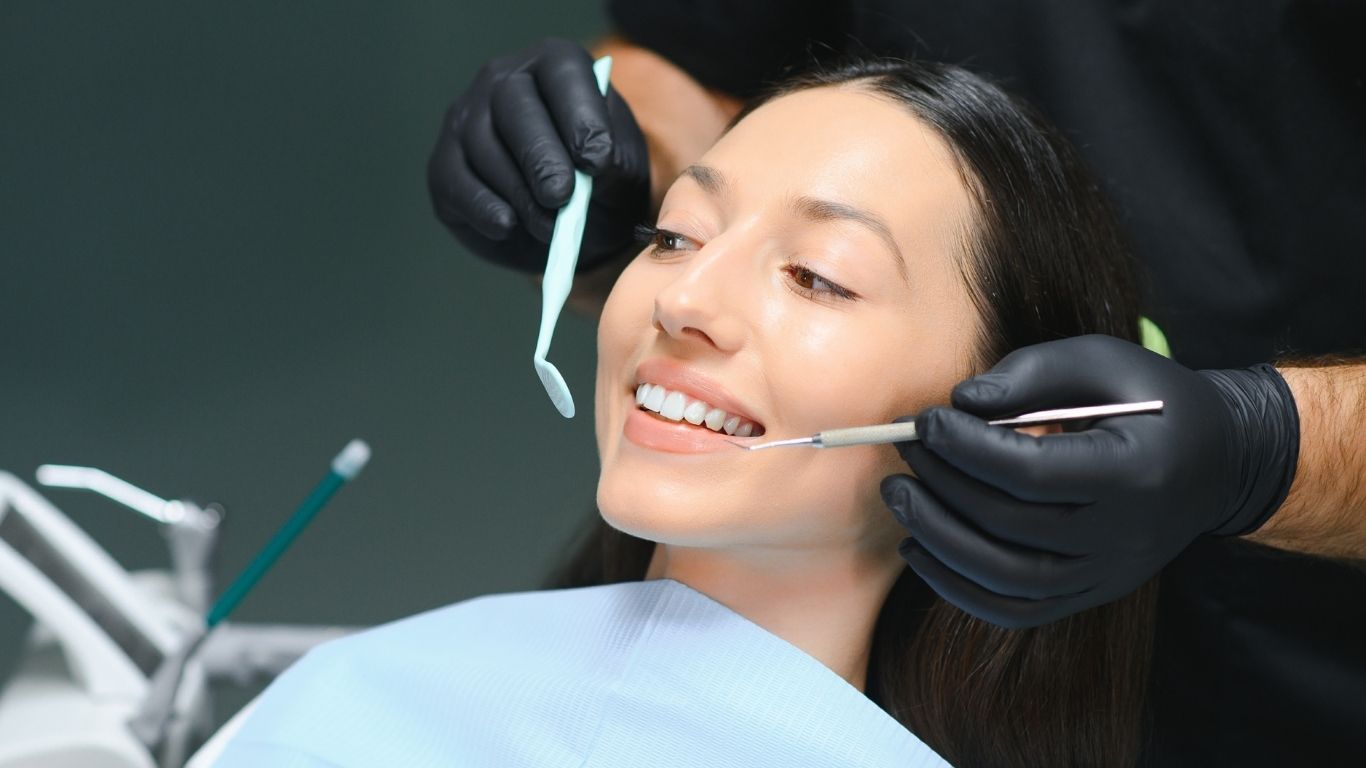
Comprehensive oral hygiene guidance for families at Osuna Dental Care in Albuquerque NM
Patient Education · Albuquerque, NM

Oral Hygiene Basics
in Albuquerque, NM

The complete guide to brushing, flossing and protecting your smile every day. Practical tips that actually work, for kids, teens and adults.

★★★★★ 4.9 from 1,500+ Albuquerque patients

Good Oral Hygiene Affects Your Whole Body

Your mouth is the gateway to your body's health. Without proper care, plaque and bacteria build up on teeth and gums, causing decay, gum disease and even systemic health issues like heart disease and diabetes complications. A healthy mouth supports a healthy body.

The good news: most oral health problems are preventable with simple daily habits. Brushing properly, flossing daily, eating tooth-friendly foods and seeing your dentist twice a year prevent the vast majority of issues we treat. Prevention is dramatically easier and cheaper than treatment.

At Osuna Dental Care, we help patients build sustainable hygiene routines that fit their lives. We coach proper technique, recommend tools that work for you and catch problems early through regular professional cleanings. This page covers everything you need to know.

Free Hygiene Consultation

Already brushing and flossing? Great. Let us show you how to do both more effectively.

  • Comprehensive oral exam
  • Personalized hygiene coaching
  • Brushing technique review
  • Tool recommendations for you
  • Cleaning schedule planning

Prevention is the best dentistry

Build habits that last a lifetime
Book Free Consultation Call (505) 884-1989

The 5 Pillars of Oral Hygiene

A complete daily routine includes all 5 of these. Skip one and you leave gaps in your protection.

01

Brushing

Twice daily for 2 minutes with a soft-bristled brush and fluoride toothpaste.

02

Flossing

Once daily to remove plaque between teeth where the brush can't reach.

03

Rinsing

ADA-approved mouthwash to freshen breath and strengthen enamel.

04

Healthy Diet

Limit sugar and acid. Eat more fruits, vegetables and dairy.

05

Regular Checkups

Every 6 months for professional cleanings, exams and screening.

2 Minutes Twice Daily

How to Brush Your Teeth Properly

Most people brush wrong. Most brush for less than 60 seconds. Get the technique right and you get dramatically better results.

1

45° Angle to Gums

Hold your brush at a 45-degree angle to your gum line.

2

Gentle Circles

Short, gentle circular strokes. Never aggressive scrubbing.

3

All Surfaces

Outside, inside and chewing surfaces. Don't forget the back molars.

4

Brush Your Tongue

Gently. Removes bacteria and freshens breath significantly.

5

Full 2 Minutes

Use a timer. Most people stop at 45 seconds. Don't.

Once Daily

How to Floss Properly

Brushing only cleans about 60% of tooth surfaces. The rest needs floss. Done right, this is one of the highest-impact habits you can build.

1

Wind 18 Inches

Most around one middle finger, smaller amount around the other.

2

Glide, Don't Snap

Hold tight between thumbs and fingers. Gently work between teeth.

3

C-Shape Curve

Curve floss against each tooth in a C-shape. Slide gently below gum line.

4

Clean Section Each Tooth

Move to a fresh piece of floss for each tooth, both sides.

Manual or Electric? Floss or Water?

The right tools make hygiene easier and more effective. Here's the breakdown.

Manual Toothbrush

Works When Used Right

Effective when used with proper technique and full 2-minute brushing time. ADA-approved soft-bristled manual brushes work well for most patients. Lower cost but requires more discipline.

Traditional Floss

Gold Standard

Most thorough cleaning when used correctly. Waxed floss glides between tight teeth easily. Cheap, portable and effective. The technique matters more than the tool.

Water Flosser

Great Alternative

Excellent for braces, implants, bridges or anyone who finds traditional floss difficult. Effective at reducing gum bleeding and inflammation. Pairs well with traditional floss for maximum effect.

Foods That Help vs. Foods That Hurt

What you eat directly affects your oral health. Here's the simple breakdown.

Tooth-Friendly Foods

These foods help clean teeth, neutralize acids and provide minerals that strengthen enamel.

  • Dairy Cheese, milk and yogurt provide calcium and remineralize enamel
  • Crunchy fruits and veggies Apples, carrots and celery clean teeth naturally
  • Leafy greens Spinach and kale provide vitamins and minerals
  • Water Especially fluoridated water hydrates and rinses
  • Nuts and seeds Healthy fats and minerals support tissue health
  • Lean proteins Phosphorus from fish, eggs and chicken supports enamel
  • Sugar-free gum Stimulates saliva that neutralizes acid

Tooth-Damaging Foods

These foods feed cavity-causing bacteria, weaken enamel or stick to teeth for prolonged exposure.

  • Sugary drinks Soda, juice and sports drinks bathe teeth in sugar
  • Sticky candies Gummies, caramels and dried fruit cling to teeth
  • Hard candies Prolonged sugar exposure plus risk of cracks
  • Acidic foods Citrus, tomatoes and wine soften enamel
  • Starchy snacks Chips and white bread convert to sugar
  • Coffee and tea Stain teeth and dry the mouth
  • Ice Chewing it cracks teeth and damages fillings

6 Common Oral Hygiene Mistakes

Even people who care about their oral health make these mistakes. Fixing them takes minutes but pays off for years.

Mistake #1

Brushing Too Hard

Aggressive scrubbing damages enamel and causes gum recession. Hold the brush gently like a pencil.

Mistake #2

Brushing Too Short

Average person brushes 45 seconds. ADA recommends 2 minutes. Use a timer or electric brush.

Mistake #3

Brushing Right After Eating

Acid softens enamel. Wait 30 minutes after acidic foods before brushing to avoid enamel damage.

Mistake #4

Skipping Flossing

Flossing reaches what brushing can't. Skipping it leaves 40% of tooth surfaces uncleaned.

Mistake #5

Old Toothbrush

Replace every 3 months or when bristles fray. Worn bristles can't clean effectively.

Mistake #6

Skipping Dental Visits

Cleanings and exams catch problems early. Twice yearly visits prevent the vast majority of issues.

Oral Hygiene at Every Age

Needs change as you age. Here's what to focus on at each stage of life.

Ages 0–12

Children

  • Wipe gums before teeth come in
  • First dental visit by age 1
  • Pea-sized fluoride toothpaste from age 3
  • Parent-supervised brushing until 7
  • Sealants on permanent molars
  • Limit sugary snacks and juice
Ages 13–19

Teens

  • Self-managed daily routine
  • Watch for orthodontic issues
  • Wisdom teeth evaluation by 17
  • Sports mouthguards if needed
  • Address cosmetic concerns early
  • Avoid vaping and tobacco
Ages 20–55

Adults

  • Maintain consistent twice-daily routine
  • Watch for early gum disease signs
  • Address grinding and TMJ issues
  • Replace old metal fillings
  • Annual oral cancer screening
  • Pregnancy: safe cleanings encouraged
Ages 55+

Seniors

  • Watch for gum recession
  • Manage dry mouth (medications)
  • Denture or implant care
  • Cleanings every 3–4 months if needed
  • Diabetes affects gum health
  • Coordinate with medical team

Trusted Family Dental Care in Albuquerque

Family-owned since 1993. Two experienced doctors. Gentle, thorough cleanings. Coaching at every visit.

30+

Years in Albuquerque

Family-owned and operated since 1993, with deep community roots.

4.9★

Google Rating

Over 1,500 verified reviews from real patients across New Mexico.

All

Ages Welcome

From toddlers to seniors, we provide age-appropriate gentle care.

100%

Insurance Verified

Most preventive care covered fully. We verify benefits before visits.

Common Questions About Oral Hygiene

Quick answers to what Albuquerque patients ask us most. Don't see yours? Just call.

How long should I brush my teeth?
The American Dental Association recommends brushing for a full 2 minutes, twice a day. Most people stop too early — averaging only 45 to 60 seconds. Use a timer or an electric toothbrush with a built-in 2-minute timer to make sure you're getting full coverage. Divide your mouth into 4 quadrants and spend 30 seconds on each.
Is electric or manual toothbrush better?
Both work when used correctly, but research shows electric toothbrushes (especially oscillating-rotating models) remove more plaque and reduce gingivitis better than manual brushes. Electric brushes are especially helpful for people with limited dexterity, kids learning to brush and anyone who tends to brush too hard. The ADA approves both types.
Do I really need to floss every day?
Yes. Brushing only cleans about 60 percent of tooth surfaces. The remaining 40 percent — between teeth and below the gum line — requires floss or a water flosser to clean. Skipping flossing leaves plaque to harden into tartar that brushing can't remove. Daily flossing reduces gum disease risk by approximately 40 percent.
What's the best toothpaste to use?
Look for ADA-approved toothpaste with fluoride. Beyond that, choose based on your needs: sensitivity formulas (like Sensodyne) for sensitive teeth, whitening toothpaste for surface stains, anti-tartar formulas to reduce buildup. Children should use age-appropriate fluoride toothpaste in pea-sized amounts. Avoid charcoal toothpaste — it's abrasive and can damage enamel.
How often should I get a professional dental cleaning?
Most healthy adults benefit from professional cleanings every 6 months. Patients with active gum disease, gum recession or higher cavity risk often need cleanings every 3 to 4 months. Children should also see the dentist every 6 months for cleanings, exams and fluoride treatments. Regular cleanings remove tartar that home care can't address.
Can I brush right after eating?
Wait at least 30 minutes after eating, especially after acidic foods like citrus, tomatoes, soda or wine. Acid temporarily softens enamel, and brushing immediately can damage softened enamel. Rinse with water immediately to neutralize acid, then brush 30 minutes later. This protects your enamel long-term.
Does mouthwash replace brushing?
No. Mouthwash supplements brushing and flossing — it doesn't replace them. ADA-approved therapeutic mouthwashes can help reduce bacteria, fight bad breath, strengthen enamel with fluoride and prevent gingivitis. Use it after brushing and flossing as a finishing step. Cosmetic mouthwashes mostly just freshen breath without therapeutic benefits.
What foods are bad for my teeth?
The worst offenders are sugary foods (candy, soda, juice), sticky foods (gummies, dried fruit, caramel), starchy snacks (chips, white bread), acidic foods and drinks (citrus, soda, wine, sports drinks) and ice (chewing damages teeth). Hard candies are particularly harmful because they bathe teeth in sugar for extended periods.
What foods are good for my teeth?
Tooth-friendly foods include dairy (cheese, milk, yogurt) for calcium and remineralization, leafy greens for vitamins, crunchy fruits and vegetables (apples, carrots, celery) that help clean teeth naturally, water (especially fluoridated) for hydration and rinsing, nuts and seeds for healthy fats and minerals and protein-rich foods for tissue health.
How can I help my child develop good oral hygiene habits?
Start early — wipe gums before teeth come in, then introduce a soft toothbrush at the first tooth. Use a pea-sized amount of fluoride toothpaste from age 3+. Brush together to model proper technique. Make it fun with timers, songs or apps. Schedule first dental visit by age 1 or within 6 months of first tooth. Praise consistency over perfection.
Do you serve patients outside Albuquerque?
Yes. We see patients from across the Albuquerque metro area including Northeast Heights, Academy Acres North, Rio Rancho, Corrales, North Valley and surrounding New Mexico communities. Our office is at 5900 Cubero Dr NE STE B, Albuquerque, NM 87109 with easy parking and convenient appointment times.

Ready to Build Your Best Routine?

Book a comprehensive cleaning and exam at Osuna Dental Care. We'll review your home routine, demonstrate proper technique and recommend tools tailored to your mouth. Prevention is the best dentistry.