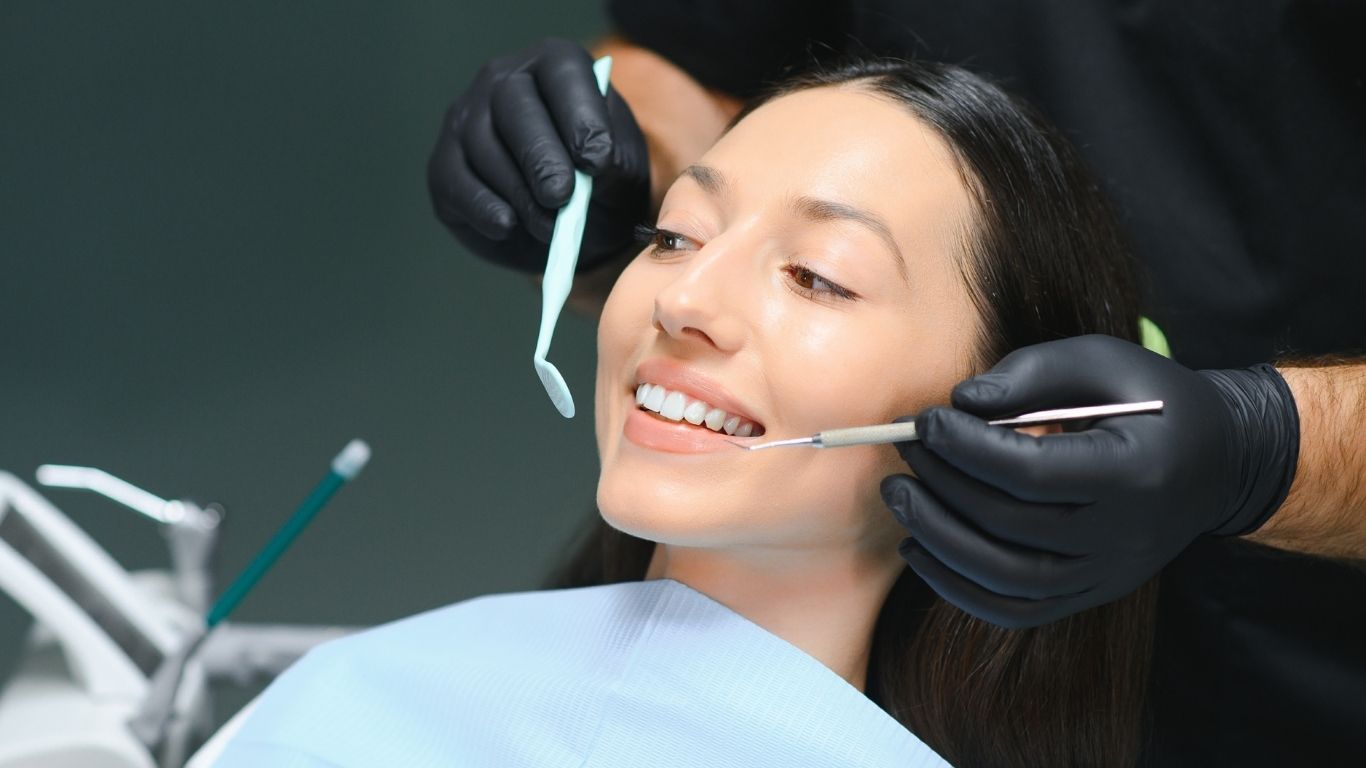
Oral Cancer Screening
in Albuquerque, NM
Quick, painless and potentially life-saving. A 5-minute screening as part of your routine dental exam catches problems early when treatment is most effective.
★★★★★ 4.9 from 1,500+ Albuquerque patientsWhy a 5-Minute Screening Matters
Oral cancer often develops without obvious symptoms in its early stages. By the time visible changes appear or you notice something feels off, the disease may have already progressed. Regular screenings catch problems early when treatment is dramatically more effective.
The screening itself is quick, painless and non-invasive. Less than 5 minutes as part of your routine dental exam. No special preparation, no needles, no x-rays required. Just a careful visual and physical examination of your lips, mouth, throat and neck.
At Osuna Dental Care, Drs. Chris Kim and Christopher Graham include oral cancer screening in every comprehensive exam. Patients in high-risk groups like tobacco users, heavy alcohol users and those over 40 benefit from extra attention to subtle changes that could indicate early-stage disease.
If you've been putting off your dental checkup, this is one more reason to schedule it. The visit could literally save your life.
Free Screening at Your Exam
Oral cancer screening is included as part of your routine dental exam at Osuna Dental Care. No extra charge.
- ✓ Visual inspection of lips and mouth
- ✓ Tongue exam (top, sides, underneath)
- ✓ Throat and palate inspection
- ✓ Neck and lymph node palpation
- ✓ Documentation of any concerns
Quick · Painless · Free
Less than 5 minutes during your examEarly Detection Changes Everything
The 5-year survival rate for oral cancer depends dramatically on when it's caught. This is why regular screenings matter so much.
Source: National Cancer Institute SEER data, 5-year relative survival rates
5 Areas We Carefully Examine
A thorough screening covers more than just your teeth. We look at every area where oral cancer can develop.
Lips, Cheeks & Gums
Inside and outside surfaces, gum line and inner cheeks for any color or texture changes.
Tongue
Top surface, sides and underneath. The sides and underside are common cancer sites.
Roof & Floor
Hard and soft palate plus the floor of the mouth where saliva glands are located.
Back of Throat
The oropharynx where HPV-related cancers commonly develop.
Neck & Jaw
Lymph nodes and surrounding tissue gently palpated for swelling or unusual lumps.
What to Expect During Your Screening
Quick, painless and built into your routine exam. Here's exactly what happens when we screen for oral cancer.
External Inspection
We examine your face, lips and neck for visible asymmetry, swelling or lesions.
Lymph Node Check
Gentle palpation of neck and jaw to feel for unusual lumps or swelling.
Mouth & Tongue Exam
Visual and gentle physical examination of the entire oral cavity, including under the tongue.
Special Lights If Needed
Special lights or dyes used in some cases to highlight tissue abnormalities not visible to the eye.
Discuss Findings
We document anything noteworthy, explain what we saw and recommend follow-up if needed.
6 Groups That Should Screen Regularly
Anyone can develop oral cancer, but certain factors significantly raise risk. If you fit any of these, talk to us about more frequent screenings.
Tobacco Users
Smoking, vaping or chewing tobacco of any form significantly raises oral cancer risk.
Frequent Alcohol Use
Heavy or daily alcohol consumption multiplies risk, especially combined with tobacco.
Heavy Sun Exposure
Outdoor workers and frequent sun exposure raises risk of lip cancer specifically.
History of Oral Cancer
Personal or family history of oral cancer means closer monitoring is essential.
HPV Positive
Now the leading cause of oropharyngeal cancers in younger adults. Discuss with us.
Adults Over 40
Risk increases substantially with age. Annual screenings become especially important.
7 Symptoms That Need Attention
These symptoms don't always mean cancer, but they should never be ignored. If any persist for more than 2 weeks, schedule an evaluation.
Mouth Sores That Don't Heal
Sores or ulcers persisting beyond 2 weeks deserve evaluation.
Red or White Patches
Unusual patches inside the mouth may signal precancerous changes.
Difficulty Chewing or Swallowing
New or persistent difficulty with normal eating motions.
Lumps in Neck or Throat
Unexplained lumps or swellings, especially on one side of the neck.
Change in Denture Fit
Dentures suddenly fitting differently can signal underlying tissue changes.
Numbness or Pain
Persistent numbness, tingling or pain in the mouth or jaw without obvious cause.
Visible Tissue Changes
Any unusual lumps, thickening or texture changes in mouth tissue.
Persistent Hoarseness
Hoarseness or voice changes lasting more than a few weeks.
5 Ways to Lower Your Risk
There's no guaranteed way to prevent oral cancer, but lifestyle factors significantly affect risk. These habits give you the best protection.
-
1Avoid Tobacco & Limit Alcohol Tobacco and heavy alcohol use are the biggest controllable risk factors. Quitting reduces risk significantly over time.
-
2Use SPF Lip Balm Outdoors Lip cancer is preventable. SPF 30+ lip balm and broad-brimmed hats protect against UV-induced lip cancer.
-
3Maintain Good Oral Hygiene Healthy gums and tissue resist disease better. Brush twice daily, floss daily and stay current with cleanings.
-
4Eat a Nutrient-Rich Diet Fruits, vegetables and whole grains provide antioxidants and nutrients that support immune function and tissue health.
-
5Schedule Regular Dental Exams Professional screenings every 6 to 12 months catch problems you can't see yourself, when treatment options are widest.
Prevention Is the Best Medicine
Most oral cancers are detected by dentists during routine exams. By coming in for regular checkups, you give us the best chance to spot anything concerning before it becomes serious.
Schedule Your ExamOffice Hours
- Monday 7:00 AM – 4:00 PM
- Tuesday 7:00 AM – 4:00 PM
- Wednesday 7:00 AM – 5:00 PM
- Thursday 8:00 AM – 5:00 PM
- Friday 7:00 AM – 4:00 PM
- Saturday Closed
- Sunday Closed
Thorough Screening, Trusted Care
Family-owned since 1993. Two experienced doctors. Oral cancer screening included in every comprehensive exam at no extra charge.
Years in Albuquerque
Family-owned and operated since 1993, with deep community roots.
Google Rating
Over 1,500 verified reviews from real patients across New Mexico.
Painless Screening
Quick visual and physical exam included with every comprehensive checkup.
Extra Charge
Oral cancer screening included in routine dental exams at no additional cost.
Common Questions About Oral Cancer Screening
Quick answers to what Albuquerque patients ask us most. Don't see yours? Just call.
How often should I get an oral cancer screening?
Does an oral cancer screening hurt?
How long does an oral cancer screening take?
What are the early warning signs of oral cancer?
Who is at highest risk for oral cancer?
Is oral cancer screening covered by insurance?
What happens if my dentist finds something suspicious?
Can young people get oral cancer?
Should I get screened if I don't smoke or drink?
What's the survival rate for oral cancer?
Do you serve patients outside Albuquerque?
5 Minutes Could Save Your Life.
Book a comprehensive dental exam at Osuna Dental Care. Oral cancer screening is included automatically. Quick, painless, potentially life-saving. Take the proactive step today.