Blogs
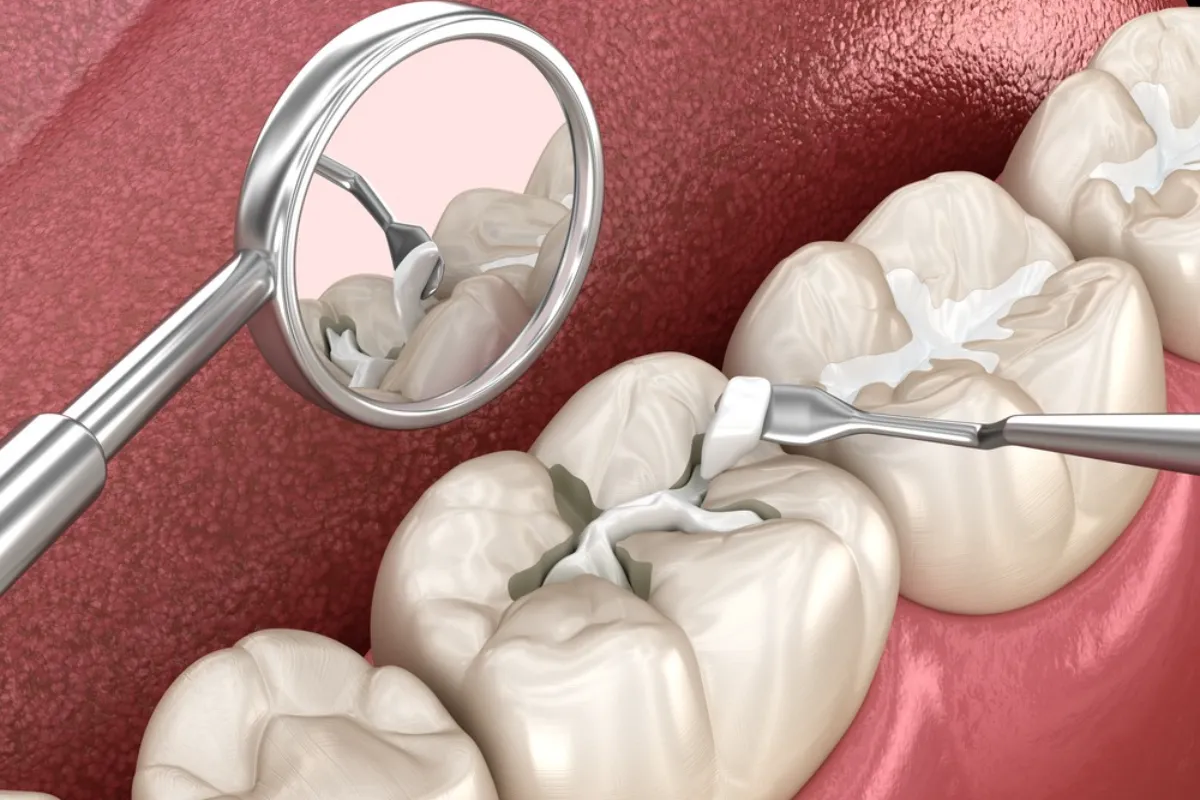
The Warning Signs of Failing Dental Fillings: What Albuquerque Patients Need to Know Before Small Problems Become Major Repairs
The Warning Signs of Failing Dental Fillings: What Albuquerque Patients Need to Know Before Small Problems Become Major Repairs
Most patients don’t think about their old dental fillings—until something breaks, chips, or suddenly becomes sensitive. But fillings age just like any other structure inside the mouth. Over time, chewing pressure, temperature changes, saliva, grinding, and natural wear begin to stress the edges of older restorations. Even fillings that look “fine” to a patient often develop microscopic openings or internal fractures that eventually lead to bigger problems.
Across Albuquerque, dentists routinely see situations where a small filling placed 10–20 years ago has silently deteriorated, allowing decay to grow underneath. By the time the patient experiences pain or sensitivity, the cavity has often grown far beyond the point of a simple repair. This is why understanding the early warning signs of failing fillings is one of the most important steps in preventing costly dental work.
This article breaks down how fillings fail, what symptoms patients should watch for, how deterioration progresses inside the tooth, and why early replacement saves both tooth structure and money.
Why Dental Fillings Don’t Last Forever
While modern composite fillings are more advanced than older metal amalgams, no filling—no matter how well placed—lasts indefinitely.
Inside the mouth, restorations experience:
constant chewing force
temperature changes from hot/cold foods
daily exposure to acidity
nighttime clenching or grinding
bacterial attack
saliva breakdown
natural enamel flexibility
Over years, even the best filling eventually weakens at its margins (the edges where the filling meets natural tooth structure).
To understand how fillings fit into overall treatment options, visit:
https://osunadentalcare.com/dental-fillings
How Small Fillings Turn into Big Problems
The most important concept patients need to know is this:
Fillings don’t always fail visibly or painfully.
Most problems begin microscopically.
Here’s the typical progression:
1. Marginal Breakdown Begins
Tiny gaps form between the filling and enamel.
2. Bacteria Enter the Gaps
Decay grows underneath the filling where patients can’t see it.
3. The Cavity Spreads Inside the Tooth
It expands underneath the surface while the outside appears unchanged.
4. Tooth Structure Weakens
This is when small cracks start forming around old fillings.
5. The Tooth Breaks or Pain Begins
By this point, a crown—or even a root canal—may be needed.
Many Albuquerque patients only notice something is wrong once the tooth fractures unexpectedly, even though deterioration began long before.
Why Fillings Fail Faster in Some People
Local environmental and physiological factors contribute to faster deterioration:
Dry Climate in Albuquerque
The region’s low humidity causes dry mouth in many patients, reducing saliva’s protective effects.
Nighttime Grinding (Common at Altitude)
Grinding places tremendous force on fillings, especially older ones.
High Spice and Acid Diets
Common New Mexico cuisine can increase enamel wear and breakdown.
Large, Older Silver Fillings
Metal expands and contracts significantly with temperature changes, stressing the tooth.
Age of the Restoration
Most fillings last 7–15 years on average, depending on:
size
location
bite pressure
oral hygiene
material used
Older restorations are the biggest risk factor for sudden fractures.
Real Case Scenario (A Common Albuquerque Pattern)
A patient had a 20-year-old silver filling on a lower molar.
It looked stable and caused no pain.
During a routine exam, the dentist saw a thin shadow under the filling on the X-ray—suggesting early decay.
Two months later, before the patient returned for the repair, they bit into something firm and the entire cusp fractured.
What could have been:
A $180–$250 filling replacement → became a $1,200 crown.
Sometimes, when decay is deep enough, the progression becomes:
Filling → Crown → Root canal → Crown replacement → Implant.
This is why proactive replacement of aging fillings prevents major problems.
Warning Sign #1: Sensitivity That Comes and Goes
Although not always alarming, sensitivity to cold, sweets, or pressure often indicates:
microleakage
small internal cracks
early bacterial infiltration
breakdown around the filling
Sensitivity that resolves quickly can still reflect early issues that need evaluation.
Warning Sign #2: Darkening Around the Filling
Discoloration is one of the earliest clues that the seal around a filling is weakening.
Dark lines or shadows near the edges may indicate:
stain entering gaps
marginal enamel deterioration
early decay beneath the filling
This does not always mean the tooth will hurt soon—but it does mean the filling is aging.
Warning Sign #3: A Feeling That Something “Isn’t Smooth”
Patients sometimes say:
“I feel a tiny ridge.”
“Food is getting stuck.”
“It feels rough in one corner.”
These micro-changes are important.
They often mean the filling is wearing down faster than the surrounding enamel, creating a trap for plaque and recurring decay.
Warning Sign #4: A Visible Crack or Chip
Once a crack forms in the tooth around the filling, the structure becomes significantly weaker.
Cracks may spread rapidly with:
chewing
nighttime grinding
biting into hard foods
temperature changes
Cracked teeth rarely heal on their own and often require more advanced treatments.
To learn how cracked teeth are treated, visit:
https://osunadentalcare.com/dental-crowns
Warning Sign #5: Food Accumulating Between Teeth
When fillings shift, wear down, or lose their tight contact with neighboring teeth, patients begin noticing food catching in the same spot repeatedly.
This is often a sign of:
marginal gap formation
contact point failure
decay under the filling
structural breakdown
Food trapping is never normal and should be evaluated promptly.
Why Older Amalgam Fillings Fail Differently Than Composite Fillings
Amalgam (silver) fillings expand and contract more dramatically than natural tooth structure. Over time, this movement creates stress fractures.
Common patterns include:
hairline cracks around the filling
fractures through the cusps
darkening enamel
temperature sensitivity
breakage while chewing
Composite fillings, while more aesthetic, can fail due to:
wear on edges
shrinkage over time
bonding breakdown
recurrent decay
Both types require evaluation based on age, size, and bite forces.
How Dentists Evaluate Failing Fillings
Dentists rely on multiple diagnostic tools:
X-rays
Reveal shadows indicating decay underneath fillings.
Transillumination Lighting
Shows cracks that aren’t visible clinically.
Explorer Testing
Checks for softness at the edges.
Magnification
Allows examination of hairline cracks and marginal wear.
Bite Pressure Testing
Determines if symptoms correlate with crack propagation.
If the filling is compromised, early intervention is far less costly than waiting.
Treatment Options for Failing Fillings
Depending on the severity, dentists may recommend:
1. Simple Filling Replacement
For small marginal gaps or shallow decay.
2. Onlay or Partial Crown
For moderate structural loss when part of the tooth needs reinforcement.
3. Full Crown
When cracks or decay are extensive.
4. Root Canal Therapy
If bacteria reach the nerve.
5. Implant Replacement
If the tooth fractures beyond repair.
To explore full treatment options in detail, visit:
https://osunadentalcare.com/treatment-options
How to Prevent Fillings From Failing Prematurely
Prevention revolves around monitoring and stability:
routine exams twice a year
using a nightguard if grinding
early replacement of aging fillings
reducing hard or sticky foods
managing dry mouth
avoiding chewing ice or hard kernels
keeping gums healthy
Patients who maintain preventive care typically avoid the cycle of repeated fractures and major treatments.
For new patients wanting a complete evaluation, visit:
https://osunadentalcare.com/new-patients
FAQs
How long do fillings usually last?
Most composite fillings last 7–12 years, but large fillings may fail sooner due to bite pressure.
Can a filling fail without symptoms?
Yes. Many failing fillings cause no pain until the issue is advanced.
Why do older silver fillings crack teeth?
Metal expands and contracts with temperature changes, creating stress cracks in the surrounding enamel.
Is it better to replace old fillings early?
Early replacement often prevents a crown or root canal later on.
Can decay hide under a filling?
Absolutely. X-rays and dental exams frequently reveal hidden decay beneath intact-looking fillings.
What happens if I ignore a failing filling?
Decay spreads, cracks propagate, and treatment becomes more invasive and costly over time.
If you’re noticing sensitivity, food trapping, rough edges, or if it has been years since your fillings were evaluated, early intervention can protect your tooth from major repairs. Osuna Dental Care offers comprehensive exams using advanced diagnostics to identify aging fillings before they cause irreversible damage. To schedule a visit or get expert advice tailored to your situation, feel free to contact us:
Osuna Dental Care
5900 Cubero Dr NE Ste B
Albuquerque, NM 87109
Phone: (505) 884-1989
